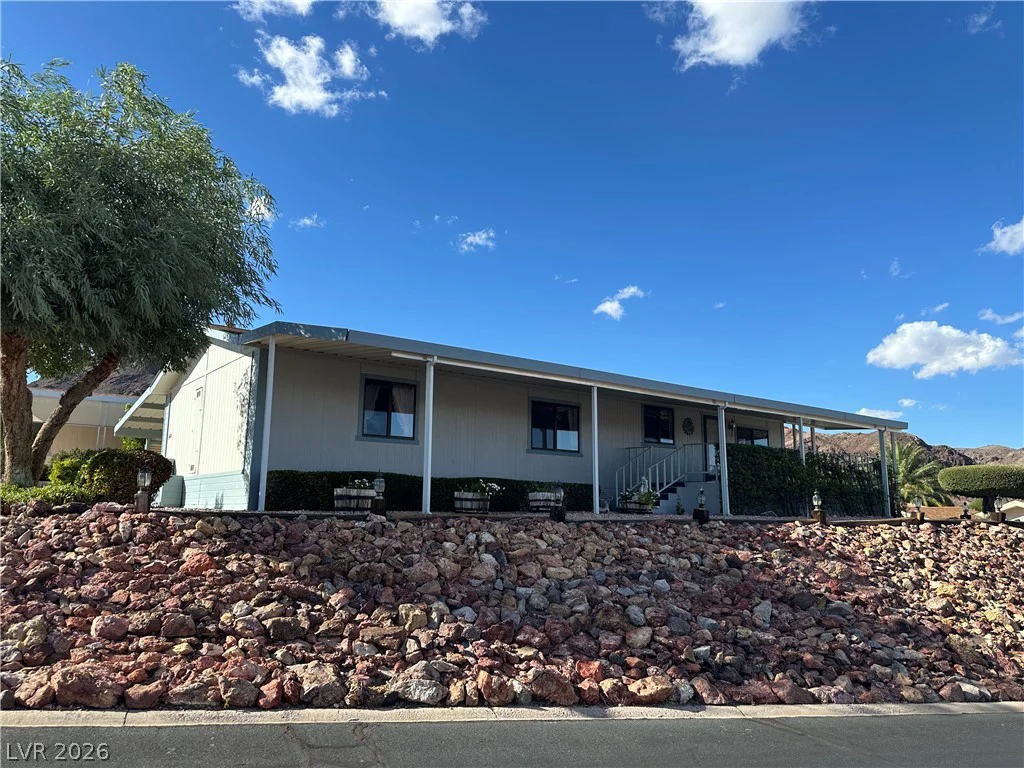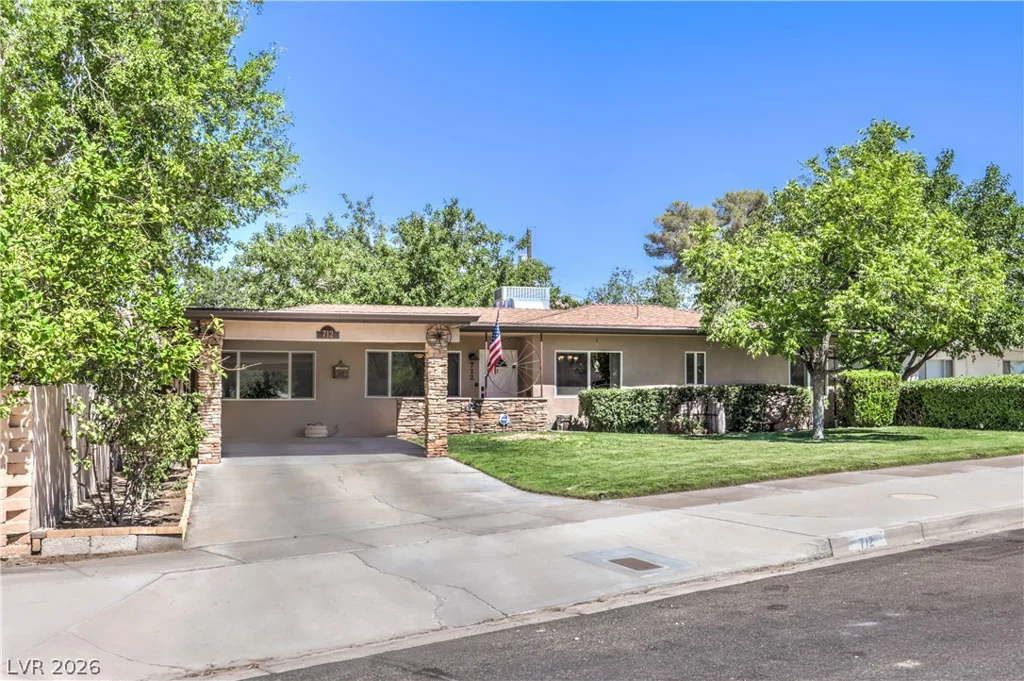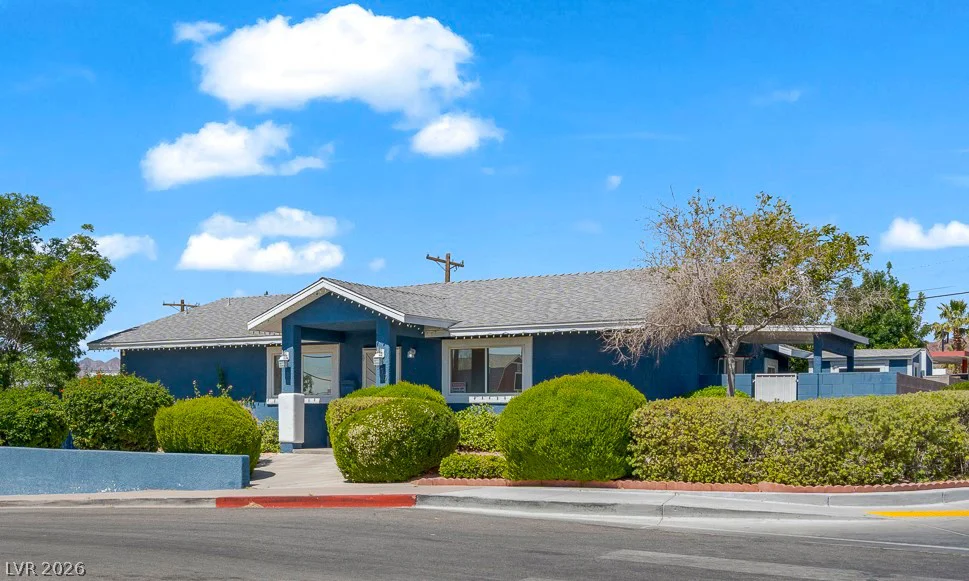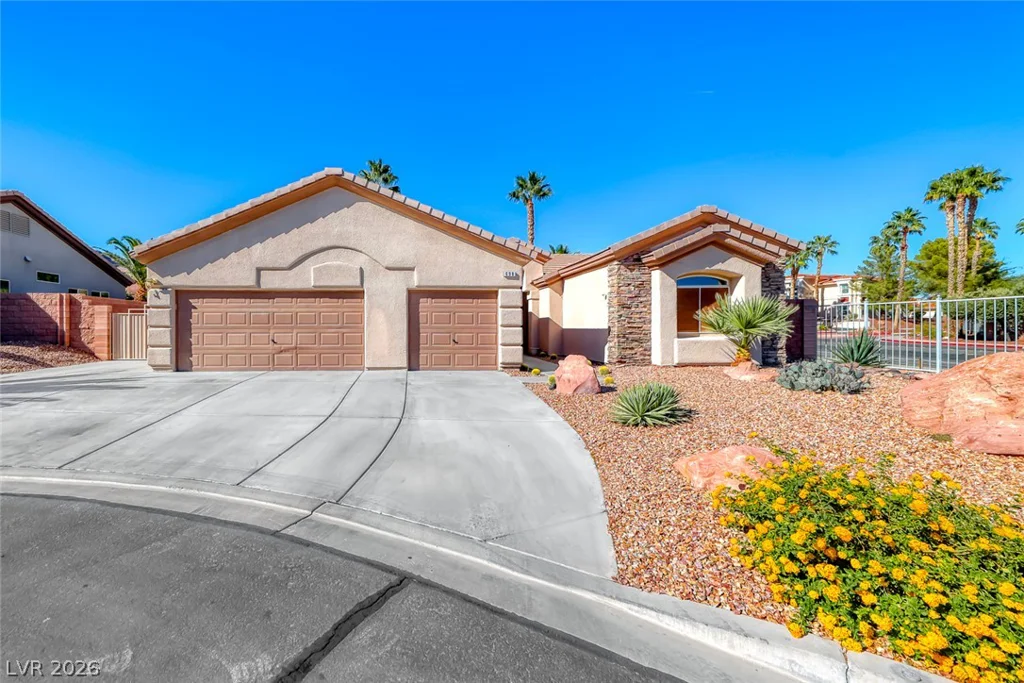
Why RV Parking Matters in Boulder City
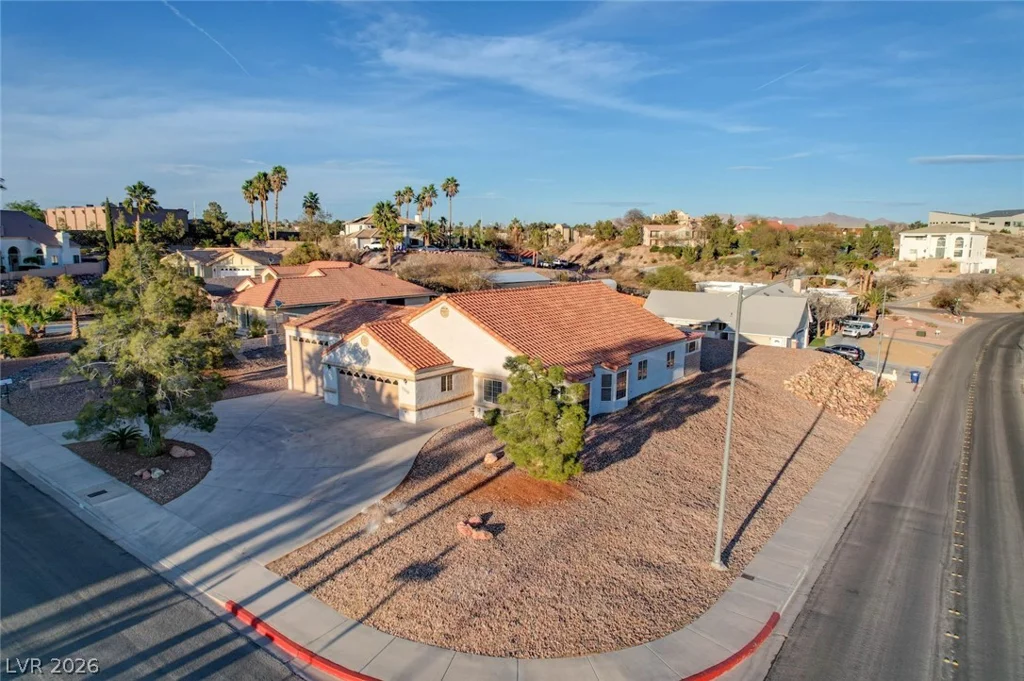
Ask a longtime Boulder City resident why RV parking shows up so often in local listing descriptions and the answer almost always comes back to Lake Mead — between boat trailers, travel trailers used for desert camping, and the occasional full RV that residents drive to cooler climates for part of the year, on-site storage solves a real logistical problem in a town where commercial storage lots fill up fast. Across the roughly 33 listings advertising this feature, the quality of RV parking varies enormously, from a simple gravel side yard to a fully gated, paved pad with its own power hookup. For retirees who’ve downsized from larger properties elsewhere but still want to keep a travel trailer for Lake Mead trips or seasonal travel, this single feature can outweigh almost everything else on a listing sheet. The challenge is that “RV parking” as a marketing term gets applied loosely, and in a town with Boulder City’s growth-control mindset, the gap between what’s advertised and what’s actually usable matters more than it might in a newer subdivision with generous lot sizes.
What to Inspect Before You Make an Offer
- Actual gate width and the turning radius required to get a trailer or RV from the street into the parking area, especially on older Boulder City lots with narrower side yards than newer construction
- Surface material and drainage, since gravel or dirt RV pads near the washes can become difficult to access after the occasional but intense summer monsoon downpours
- Whether the RV parking area or any associated carport structure required design-review approval if the home sits within the historic district, since added hardscape and structures on street-facing elevations can fall under that process
- Availability of a dedicated power pedestal or hookup versus an extension cord setup, which affects both convenience and insurance considerations
- Any city ordinance restrictions on how long an RV can be parked in view of the street versus screened behind a fence, since enforcement in a small town like Boulder City tends to be more visible than in larger jurisdictions
The Most Common Buyer Mistake in Boulder City
The classic misstep is treating an RV gate as proof of RV parking. A wide gate on the side of a house often opens onto a narrow strip of yard that can fit a small trailer but not the larger fifth-wheel or Class A motorhome the buyer actually owns — and in Boulder City, where many lots back up to drainage easements or sit close to neighboring fence lines, there’s often no realistic way to widen that space afterward without triggering a setback or historic-review issue. Buyers should physically measure the space with their specific RV’s dimensions in hand rather than relying on the word “RV parking” in the listing.
Resale Perspective & Market Reality
Verified, generous RV parking is one of the few features in Boulder City that can meaningfully shorten days-on-market for the Lake Mead recreation buyer segment, because so few alternatives exist nearby — paid storage lots near the lake fill up seasonally and waitlists are common. Listings with both RV parking and outdoor living space, such as those also offering a Boulder City home with a covered patio, tend to attract this buyer pool especially quickly, since it signals a property built around an active outdoor lifestyle rather than retrofitted for one.
Local Cost Context
Building out a proper RV pad in Boulder City — grading, base material, possibly a concrete or paver surface, and a power hookup — is a project that, on a home within the historic district, may need to clear design-review before construction begins, adding both time and a modest review fee compared to the same project on a non-historic lot. For buyers without the patience for that process, it’s often more practical to evaluate listings where usable RV parking already exists and is documented, rather than betting on adding it later. Buyers who also want spa or pool amenities should check Boulder City homes with spas and hot tubs, since combining hardscape projects can be more cost-efficient if done under a single review submission.
Frequently Asked Questions
Does Boulder City limit how long an RV can be parked on a residential driveway?
Boulder City’s municipal code includes provisions on recreational vehicle parking and storage in residential zones, generally distinguishing between RVs parked behind a fence or screening versus those visible from the street; buyers planning to keep an RV on-site long-term should confirm current code specifics with the city rather than assuming the prior owner’s setup was fully compliant.
If a Boulder City home is in the historic district, does adding a side-yard RV pad require Historic Preservation Committee review?
It can, particularly if the pad involves new hardscape, fencing, or a carport structure visible from a public street — the committee’s review generally focuses on changes that affect the visual character of the property from the right-of-way, so a screened pad in a non-visible side yard is less likely to trigger review than one along the street frontage.