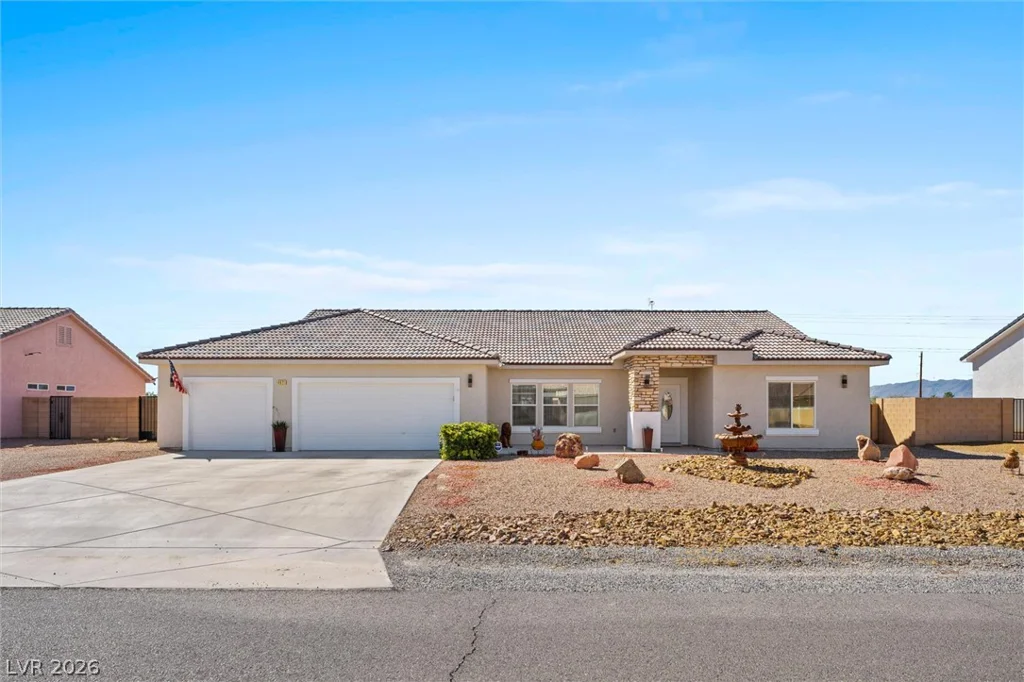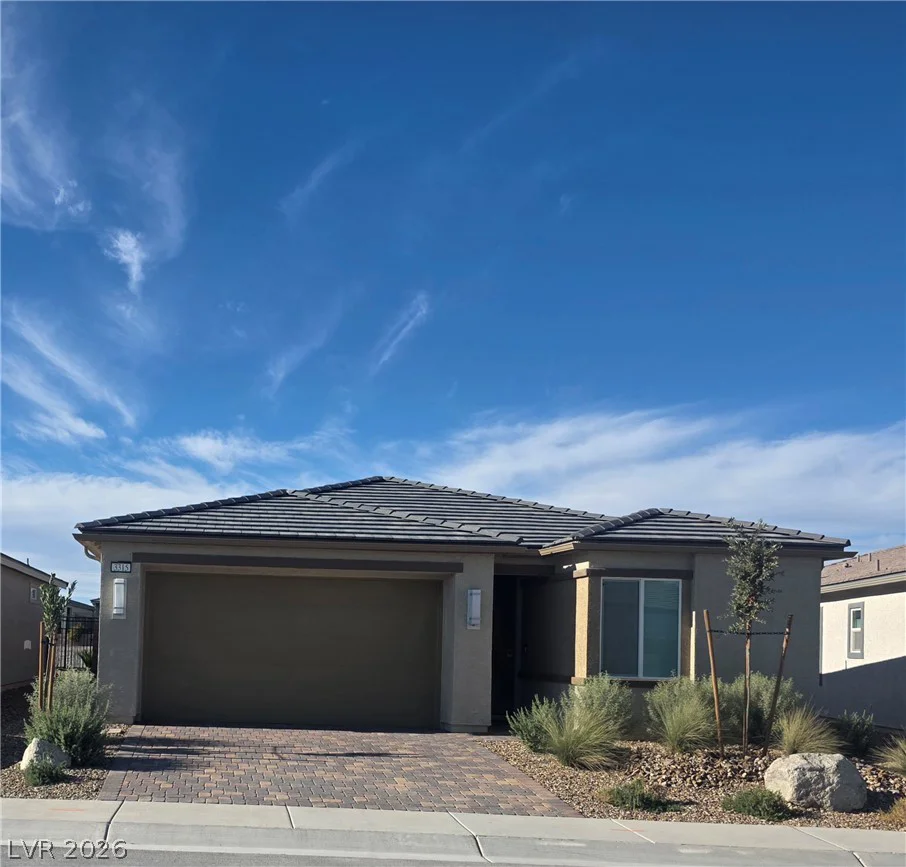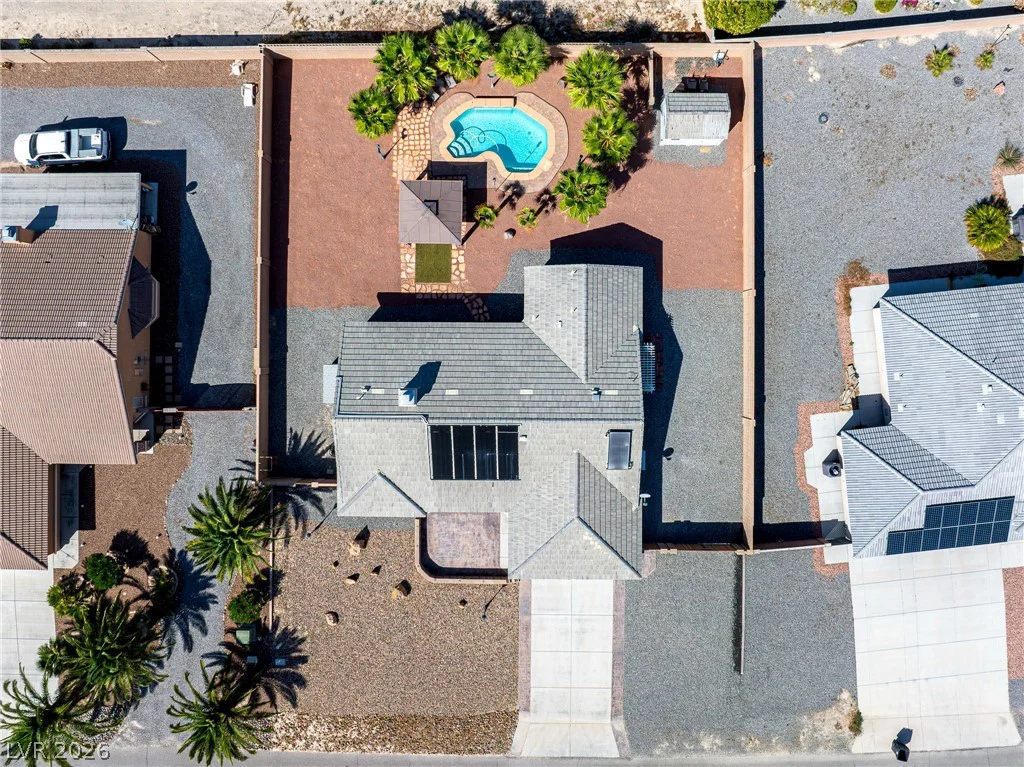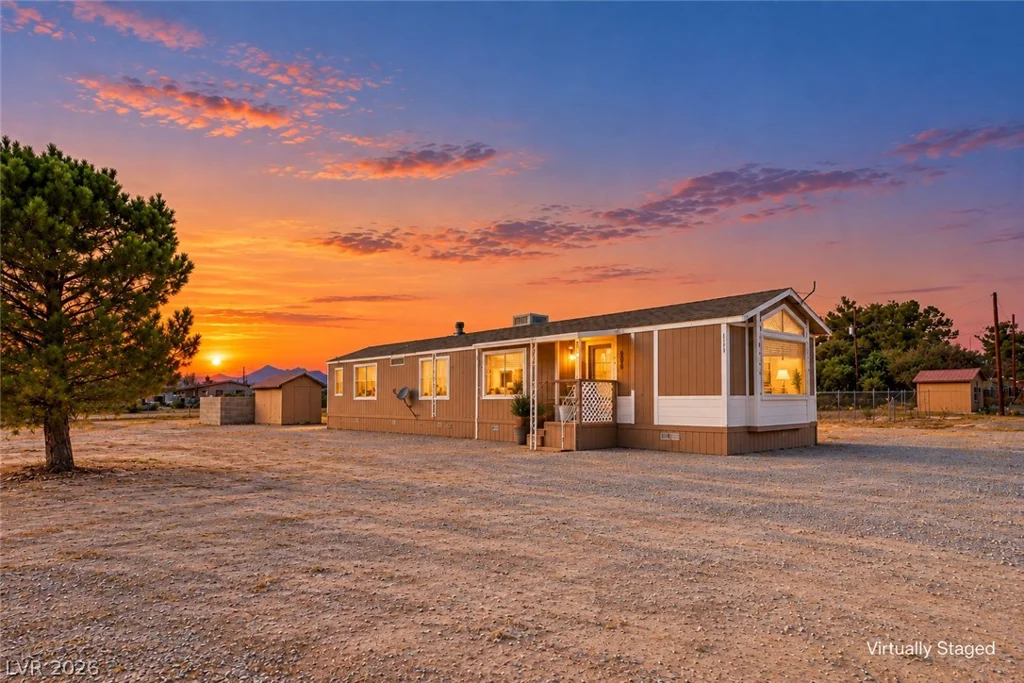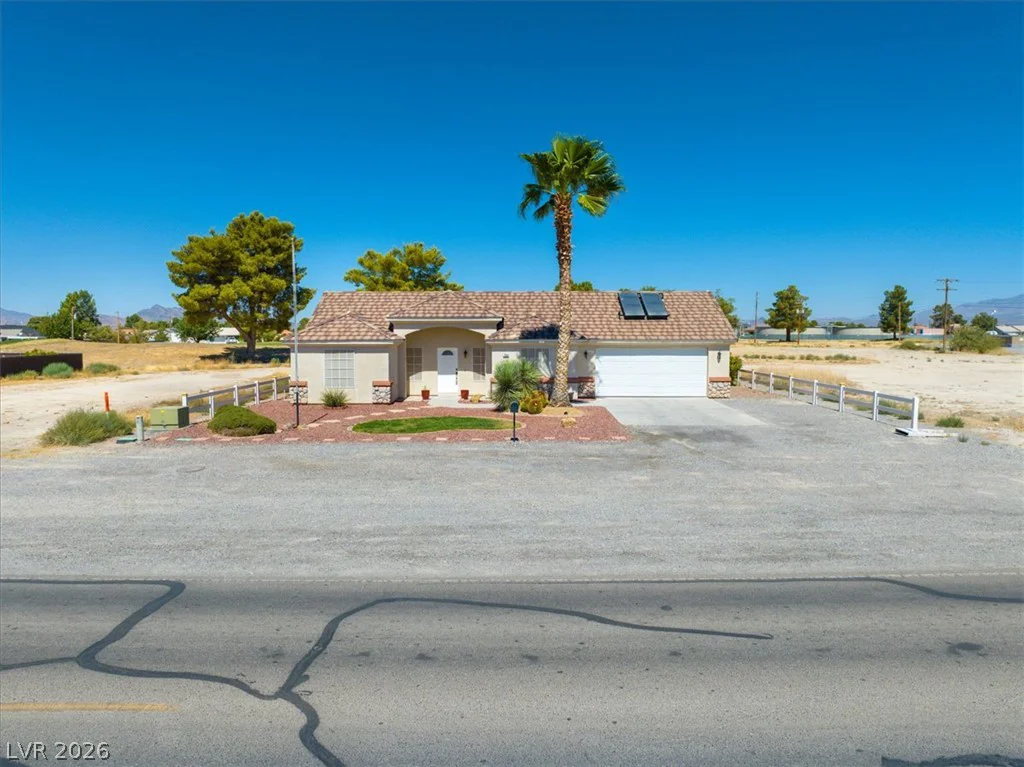
Why Move-In Ready Matters in Pahrump
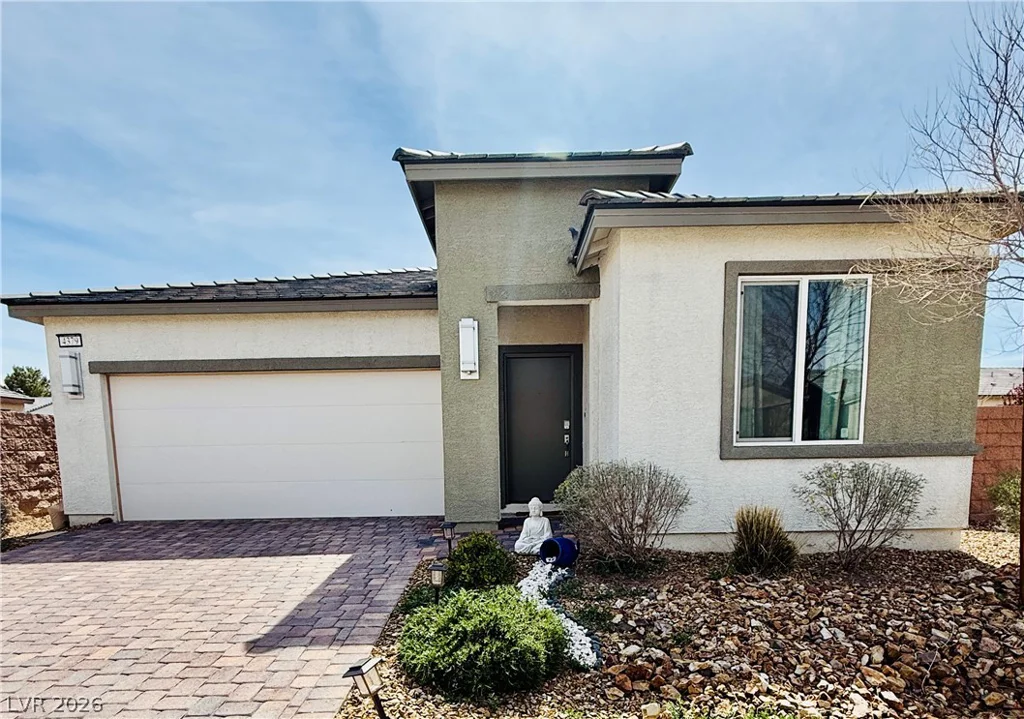
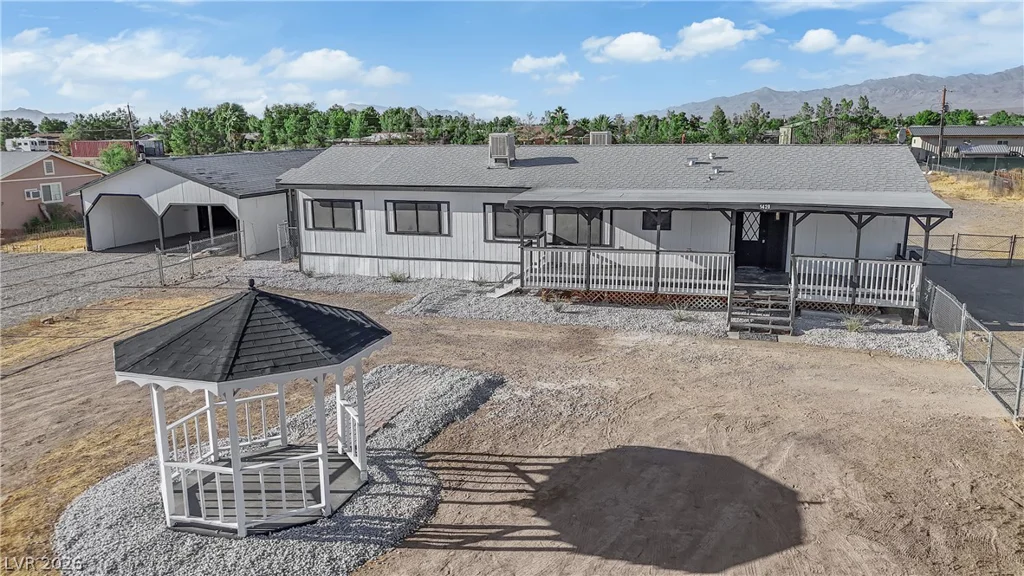
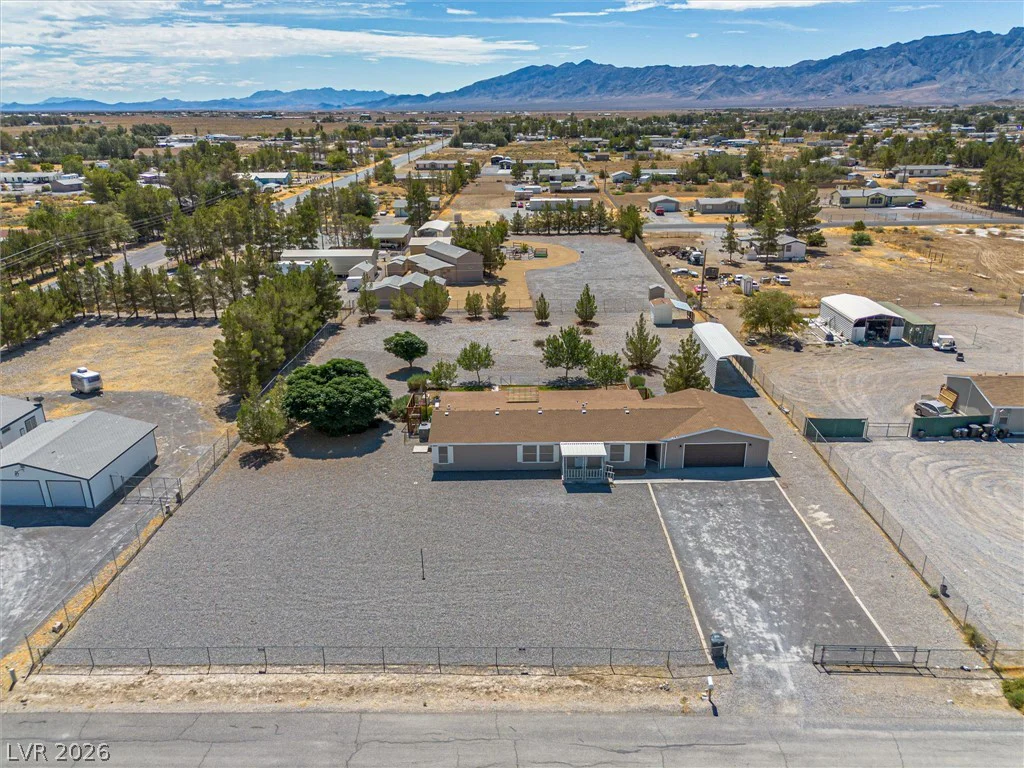
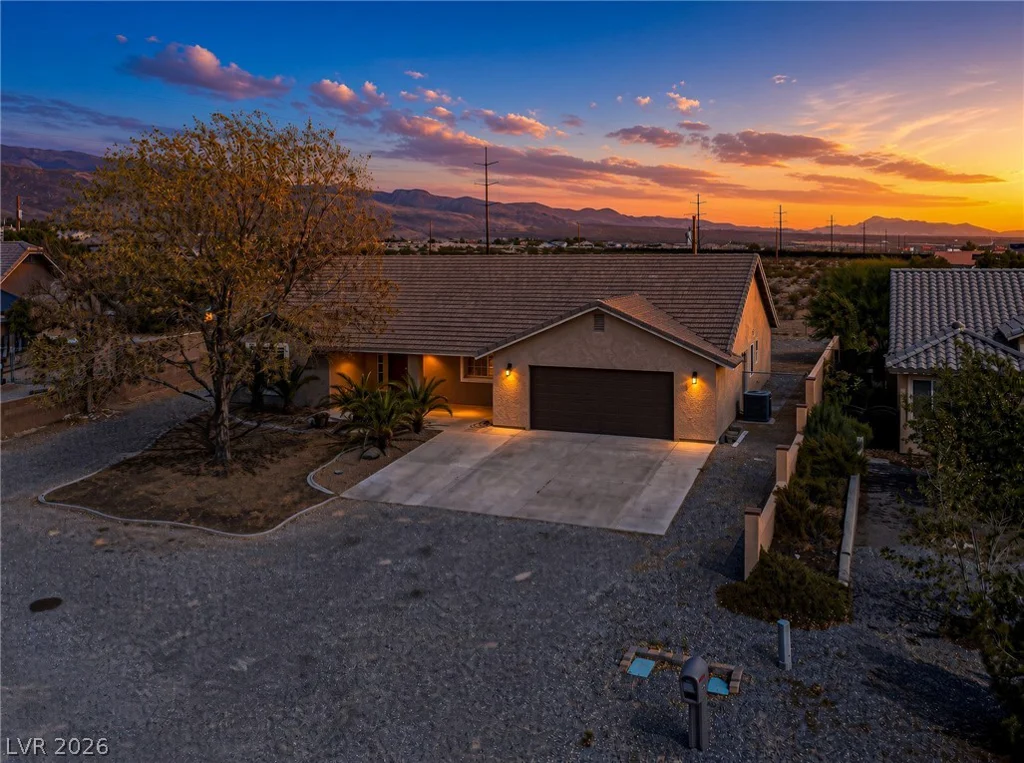
For a town where many properties sit on private wells and septic systems with decades of varying maintenance histories, “move-in ready” carries extra weight in Pahrump compared to a municipally serviced Las Vegas subdivision. A genuinely move-in ready home here means not just fresh paint and updated flooring, but a well with a documented service history, a septic system that’s been recently pumped and inspected, and major systems — HVAC, roof, electrical panel — that have been maintained despite the wear that comes from desert sun, dust, and temperature swings between summer highs and winter nights that can dip below freezing. Given how spread out service providers are in Nye County, a home that needs immediate well or septic work can mean weeks of waiting for a specialist, making true move-in readiness a bigger practical factor here than in areas with more contractor availability.
What to Inspect Before You Make an Offer
- Request well service records and a current flow test, since “move-in ready” should include a functioning, documented water system
- Get septic pumping and inspection records, ideally within the last one to three years
- Check the age and condition of the HVAC or evaporative cooling system, since cooling equipment works harder in Pahrump’s summer heat and has a real impact on day-one comfort
- Inspect the roof for desert-sun-related wear, including cracked or curled shingles and condition of any roof-mounted equipment
- Confirm any recent permits for updates match what’s visible, since unpermitted “ready” upgrades can complicate insurance or future resale
The Most Common Buyer Mistake in Pahrump
Buyers sometimes equate cosmetic updates — new paint, new flooring, staged furniture — with true move-in readiness, then discover after closing that the well pump is original to a 1990s build or the septic tank hasn’t been pumped in over a decade. In a market where these systems are the buyer’s direct responsibility rather than a utility company’s, a home can look perfectly move-in ready on a walkthrough while hiding thousands of dollars in near-term well or septic costs that a cosmetic refresh did nothing to address.
Resale Perspective & Market Reality
Among roughly 77 listings marketed as move-in ready, the ones that hold that label credibly — with documentation to back it up — tend to sell faster than listings where “move-in ready” is more of a marketing phrase than a verified condition. Buyers comparing these properties often also look at Pahrump Homes with Stainless Steel Appliances and Pahrump Homes with Chef’s Kitchens, since buyers seeking true turnkey properties tend to value kitchen condition as a leading indicator of overall home maintenance.
Local Cost Context
A failed well pump replacement in Pahrump can run several thousand dollars, and a septic system that needs a new leach field can run considerably more, so a verified “move-in ready” designation that includes these systems can represent significant avoided cost compared to a similarly priced home with unknown well and septic history. Since most Pahrump properties have no HOA, there’s no association-funded reserve to help offset these costs — they fall entirely to the homeowner, making upfront verification especially valuable.
Frequently Asked Questions
How often should a well pump be replaced in a Pahrump home, and how do I know its age?
Well pumps typically last somewhere in the range of eight to fifteen years depending on usage and water quality, and the seller or a well service company can often provide installation records; if no records exist, a flow and pressure test can help estimate the pump’s condition even without an exact age.
What does a septic inspection actually check for in a move-in ready evaluation?
A septic inspection typically checks tank condition, sludge and scum levels, leach field drainage, and any signs of surfacing effluent, and in Pahrump it’s worth specifically asking whether the inspector also evaluated the system’s capacity against the home’s actual bedroom count, since undersized systems are a common issue in older converted or expanded homes.