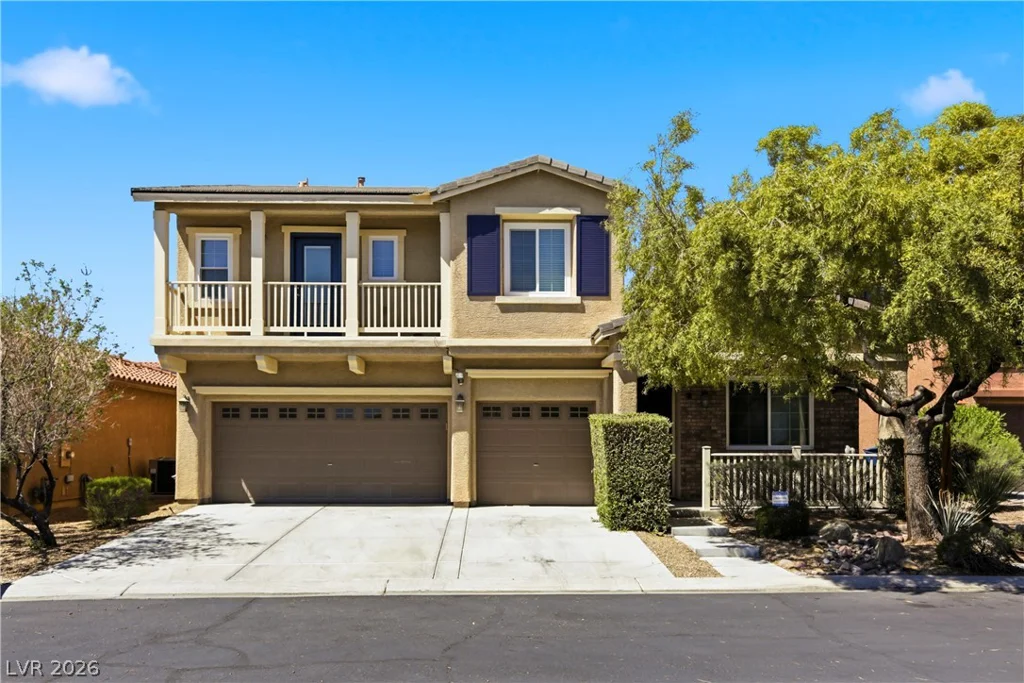
Why Energy Efficient Homes Matter in Las Vegas
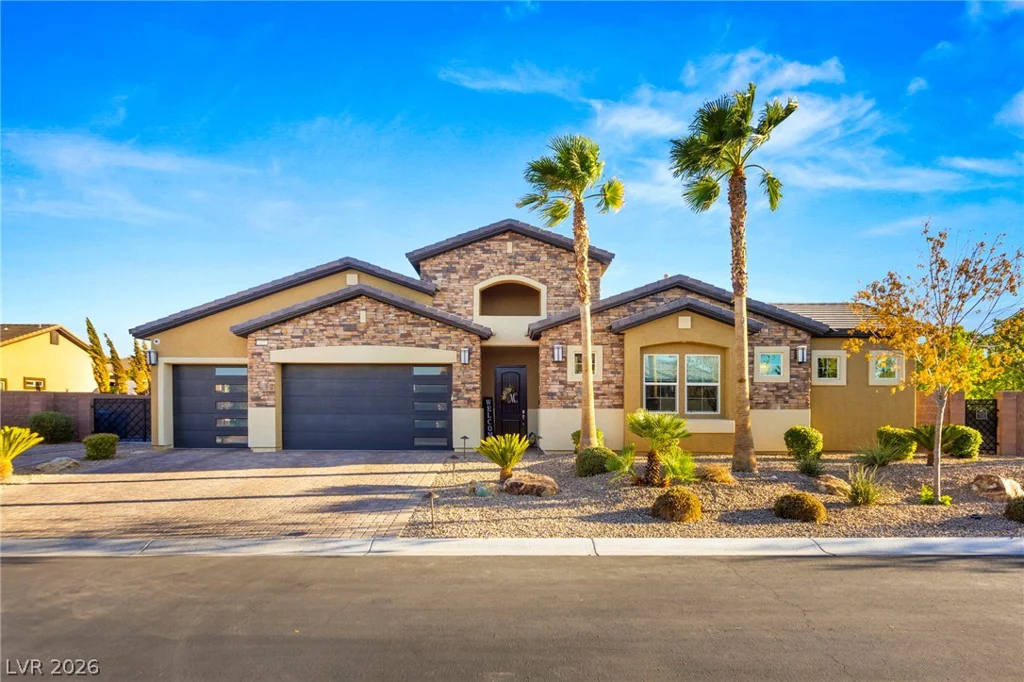
Nine months of triple-digit-capable temperatures make the HVAC system, insulation, and window package the single biggest variable in a Las Vegas household’s monthly budget — often a bigger swing factor than the mortgage payment itself when comparing two homes of similar size. A home built to a 2018 or later energy code, with dual-pane low-E windows, properly sealed ductwork, and a high-SEER condenser, can run hundreds of dollars less per month in summer than an otherwise comparable home from the 1990s with original single-pane windows and an aging unit pushing 15+ SEER less efficiency. For buyers comparing listings across the valley’s wide range of housing vintages — from older homes near Desert Inn Rd to newer builds further out — “energy efficient” is one of the few feature categories where the dollar impact is immediate and measurable from day one of ownership.
What to Inspect Before You Make an Offer
- Request 12 months of NV Energy bills and compare the summer peak months against the home’s square footage to benchmark against similar properties.
- Check the age and SEER rating of the HVAC system(s) — a unit installed before 2015 is likely operating well below current efficiency standards and nearing the end of its typical service life.
- Inspect window glazing — single-pane windows in an older home are one of the most cost-effective efficiency upgrades but also one of the more expensive to retrofit across a whole house.
- Ask about attic insulation depth and whether ductwork has been sealed or replaced, since leaky ducts in a hot attic can waste a significant share of cooling capacity before air ever reaches the living space.
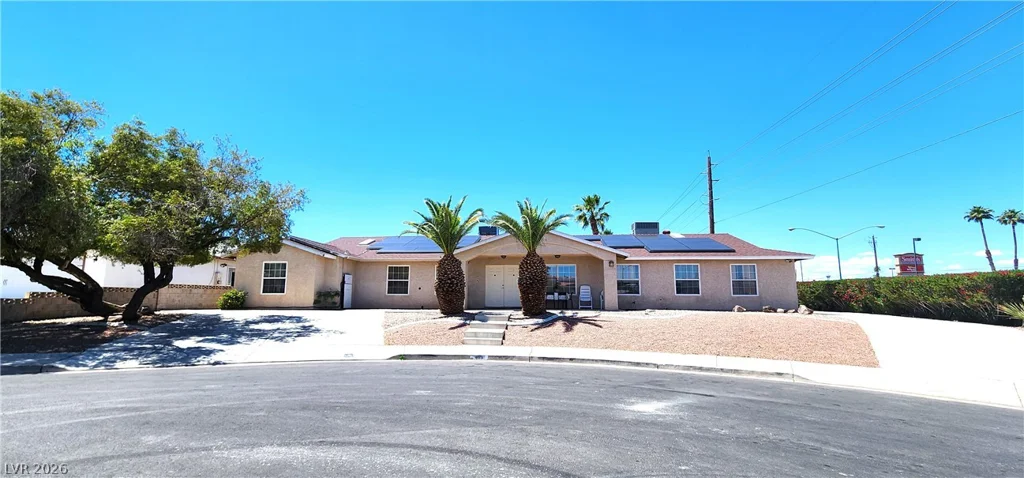
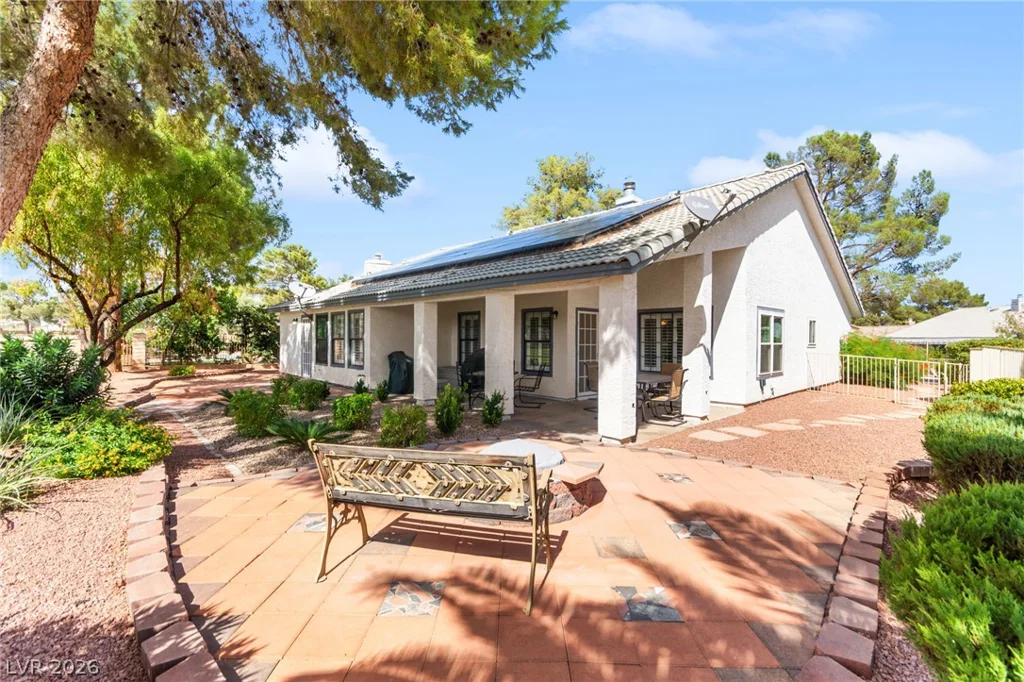
- If solar is part of the efficiency pitch, separate the solar terms (owned, leased, PPA) from the building envelope efficiency — these are two different value propositions that get conflated in listing descriptions.
The Most Common Buyer Mistake in Las Vegas
Buyers see “energy efficient” in a listing and assume it refers to the whole home, when often it refers to a single upgrade — new windows in the front rooms only, or a single mini-split added to one bedroom — while the rest of the home retains its original 1980s or 1990s systems. Without pulling actual utility history, there’s no way to distinguish a home that’s been comprehensively upgraded (new HVAC, full window replacement, added insulation) from one where a seller installed a handful of efficient light fixtures and called it a feature. The label alone tells you nothing about the magnitude of the upgrade.
Resale Perspective & Market Reality
Homes with documented low utility bills and visible efficiency upgrades (newer HVAC equipment with visible manufacture dates, matching dual-pane windows throughout) tend to generate more confident offers because buyers can do their own math on the savings. Homes where “energy efficient” appears in the listing but the visible equipment looks original or mismatched often face skepticism during inspection, and buyers may use the gap between marketing and reality as a negotiating point — which can add time to the closing process as both sides work through repair credit discussions.
Local Cost Context
Replacing a single HVAC system in the valley commonly runs several thousand dollars depending on tonnage and SEER rating, and a full-house dual-pane window replacement for an average-sized home can run into the five figures — both significant enough that buyers should factor remaining equipment life into their offer price rather than treating “efficient” as a flat bonus. For buyers who like indoor-outdoor living but want to manage cooling costs in shaded spaces, Las Vegas Homes with Courtyards covers homes designed around shaded outdoor zones that reduce direct solar heat gain on interior walls. Buyers drawn to elevated outdoor space should also weigh the cooling tradeoffs covered in Las Vegas Homes with Rooftop Decks. And for buyers specifically interested in the 55+ market, Sun City Anthem Energy Efficient Homes covers how this community’s housing stock compares on efficiency.
Frequently Asked Questions
What SEER rating should I expect from HVAC systems in Las Vegas homes built in the last five years?
Current minimum federal efficiency standards for the Southwest region require a SEER2 rating in the high teens for new installations, so homes built or with HVAC replaced in the last few years should have systems noticeably more efficient than units from the early 2000s, which were often rated SEER 10-13.
Does NV Energy offer any rebate programs for energy-efficient upgrades to existing homes?
NV Energy has periodically offered rebate programs for high-efficiency HVAC, insulation, and smart thermostat installations, though program availability and rebate amounts change over time, so buyers planning efficiency upgrades after closing should check NV Energy’s current program offerings directly before budgeting for the work.