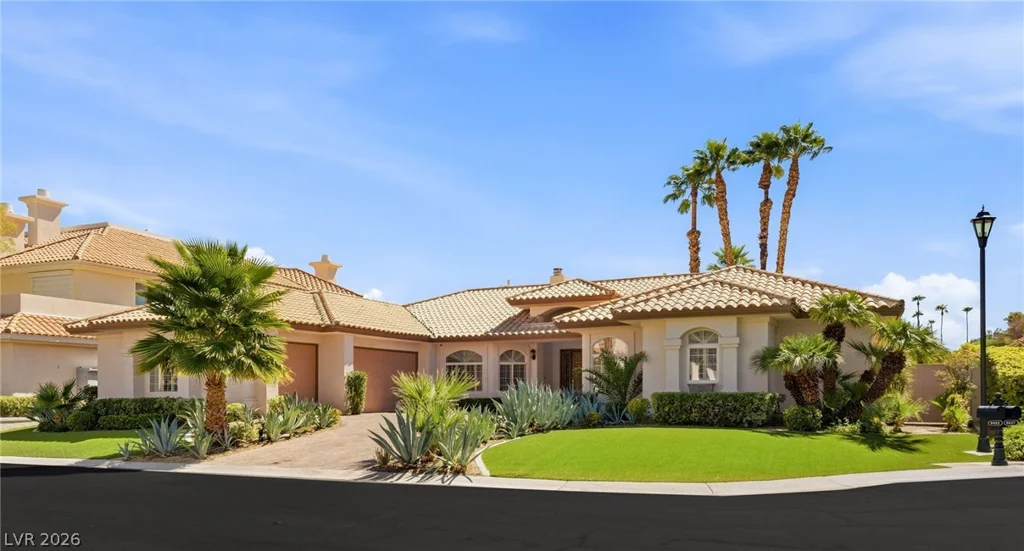
Why Putting Greens Matter in Las Vegas
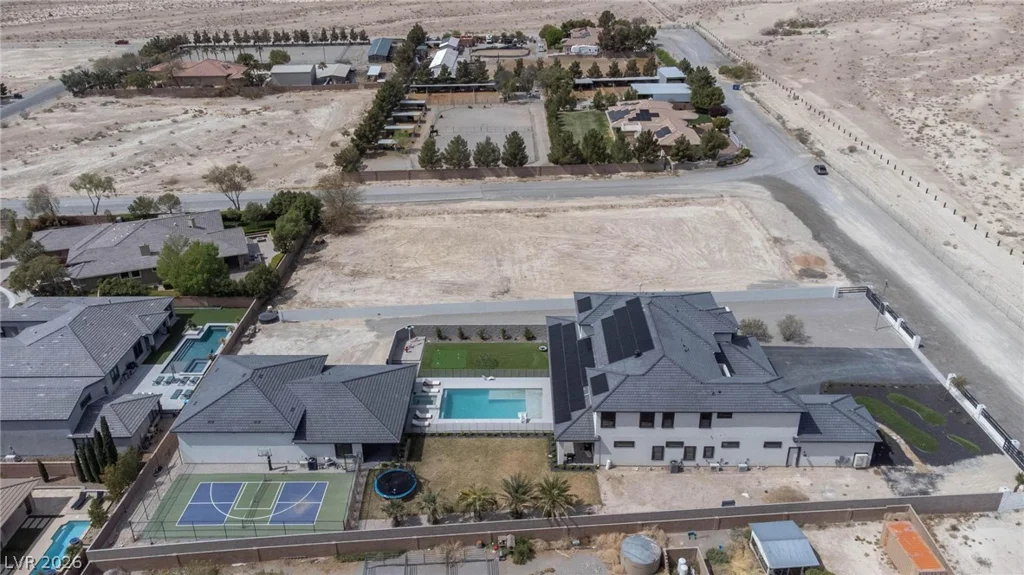
Backyard putting greens show up across a surprisingly wide range of valley price points, from modest backyards near Sunrise Mountain where a previous owner installed a simple two-cup green as a hobby project, to larger lots in golf-adjacent subdivisions where the green doubles as a private practice space for residents who play the valley’s many courses. What separates a great one from a gimmick is almost entirely about execution: synthetic turf systems vary enormously in quality, and a green that’s been baking under direct desert sun for eight years without proper infill maintenance often looks nothing like the photos. For buyers who actually golf, the green’s slope variety, cup placement options, and fringe transition matter more than its square footage.
What to Inspect Before You Make an Offer
- Press your hand or a tool into the turf in several spots to check infill depth and density — thin or compacted infill is the first sign of an aging installation that will need a redo.
- Check the perimeter drainage, especially after any recent rain, since poor grading around a putting green is a common cause of standing water and turf rot at the edges.
- Ask how long the green has been installed and whether it carries any remaining manufacturer warranty on the turf material itself.
- Evaluate sun exposure across the day — a green on a west-facing wall with no shade structure will see accelerated UV degradation compared to one with afternoon shade from the home or mature landscaping.
- Confirm the rest of the backyard hardscape (pavers, edging, irrigation for surrounding plant beds) is in proportion to the home’s overall condition, since a showpiece green sometimes masks a yard that’s otherwise been neglected.
The Most Common Buyer Mistake in Las Vegas
Buyers see a green, green putting surface in listing photos and assume the turf is new or high-quality, when in reality budget synthetic turf installed without UV-stabilized fibers can fade to a dull olive and become brittle within just a few years under the valley’s sun exposure. The mistake compounds when buyers don’t ask about the underlying base — a properly installed green needs a compacted aggregate base for drainage and stability, and a green laid directly over old sod or dirt will develop dips and uneven roll within a season or two, no matter how good the turf itself looks on day one.
Resale Perspective & Market Reality
A well-maintained putting green can be a genuine differentiator in listing photos and often gets mentioned specifically in showing feedback, but it’s a feature that appeals to a subset of buyers rather than a broad audience — non-golfers may see it as wasted yard space they’d need to remove. In neighborhoods where outdoor living space is already at a premium, a green that’s integrated thoughtfully with a patio and seating area tends to support faster offers, while a green that consumes the entire backyard with no other usable space can actually narrow the buyer pool and add a few extra days of marketing time.
Local Cost Context
Quality synthetic putting green installations in the valley typically run several thousand dollars depending on size and base preparation, and replacing degraded turf on an existing green (keeping the base) is usually less expensive than a full tear-out and re-grade. If a putting green isn’t quite the priority but outdoor entertaining is, Las Vegas Homes with Outdoor Kitchens covers backyards built around grilling and dining instead, and Las Vegas Homes with Heated Pools is a useful comparison for buyers weighing a green against a pool on the same lot. Golfers searching beyond the valley core may also want to check Henderson Homes with Putting Greens for comparable backyard setups closer to the Black Mountain and MacDonald Highlands golf corridors.
Frequently Asked Questions
Does HOA architectural approval typically apply to backyard putting greens in Las Vegas?
It depends on visibility — most valley HOAs focus architectural review on front-yard and street-visible improvements, so a backyard putting green enclosed by a block wall usually doesn’t require separate approval, but it’s worth confirming with the HOA management company since some communities do regulate artificial turf installations regardless of location.
How often does synthetic turf infill need to be replenished on a backyard putting green?
Sand or rubber infill on a heavily used green in the desert climate typically needs topping off every couple of years to maintain proper ball roll and turf resilience, since UV exposure and foot traffic gradually compact and displace the infill faster here than in milder climates.