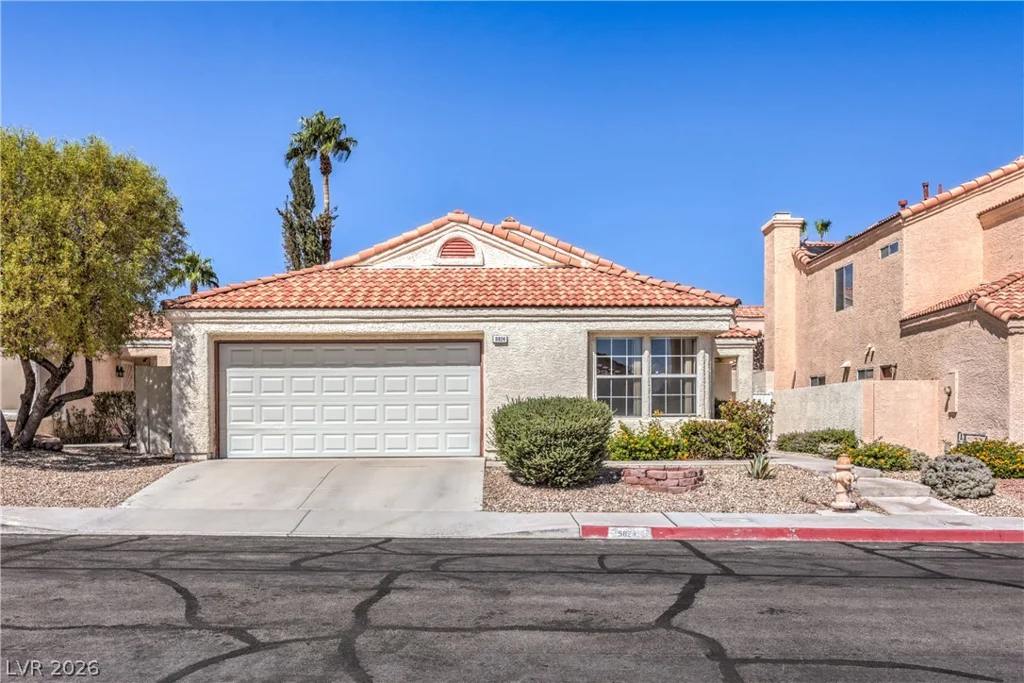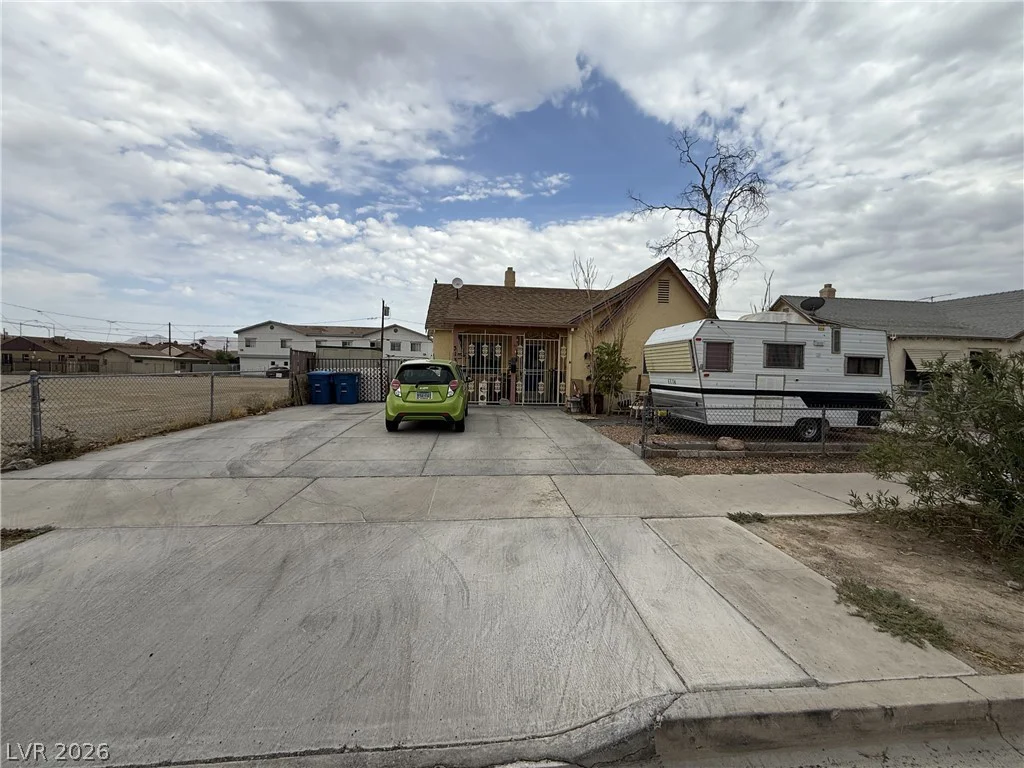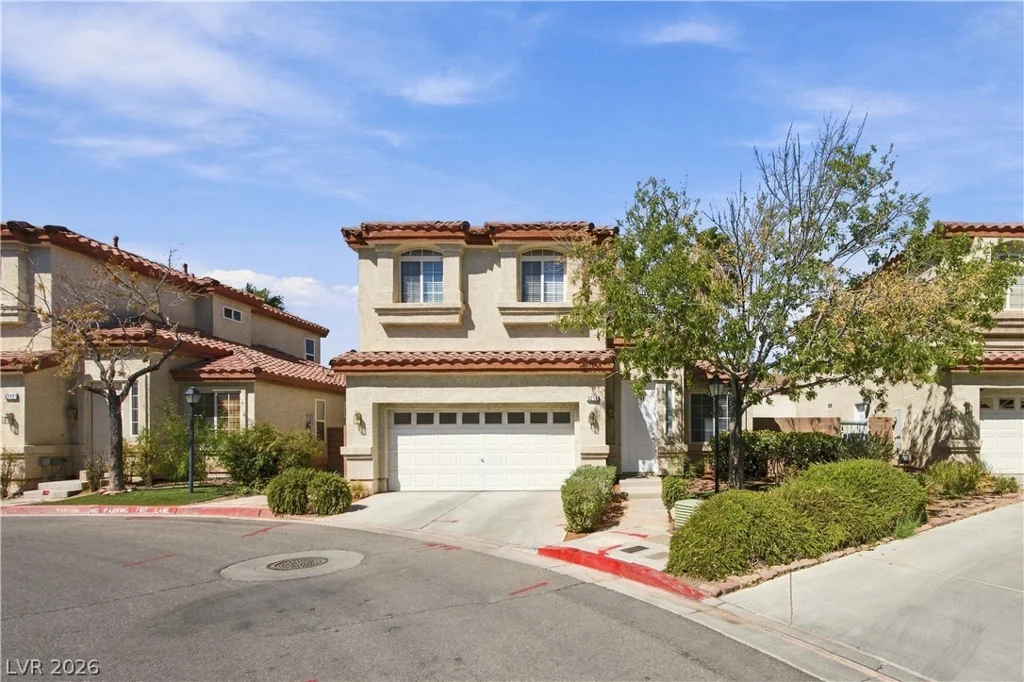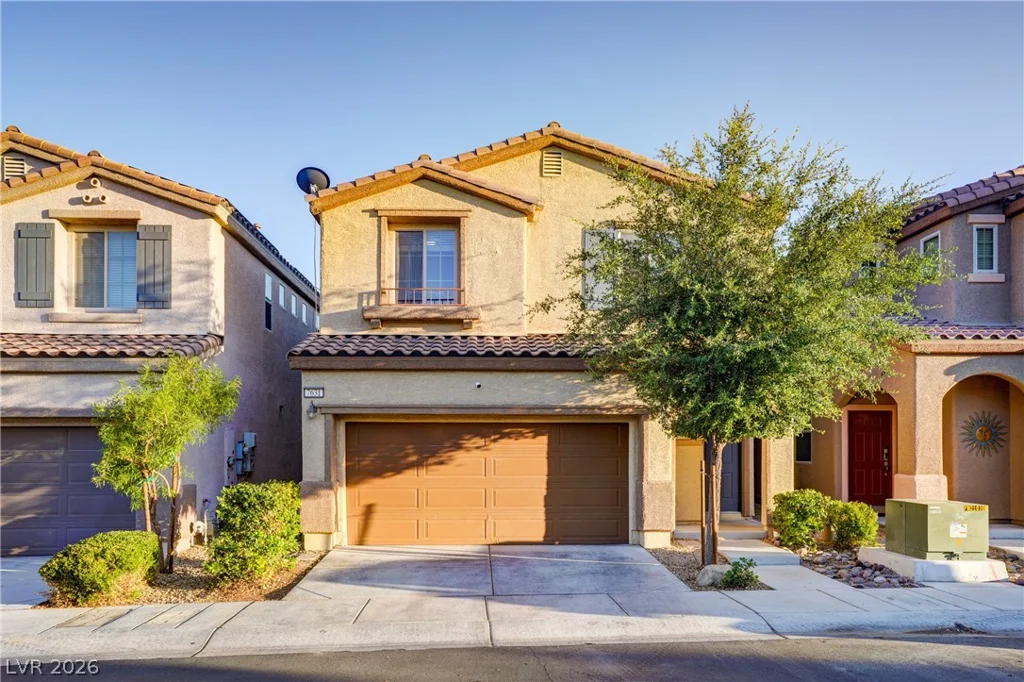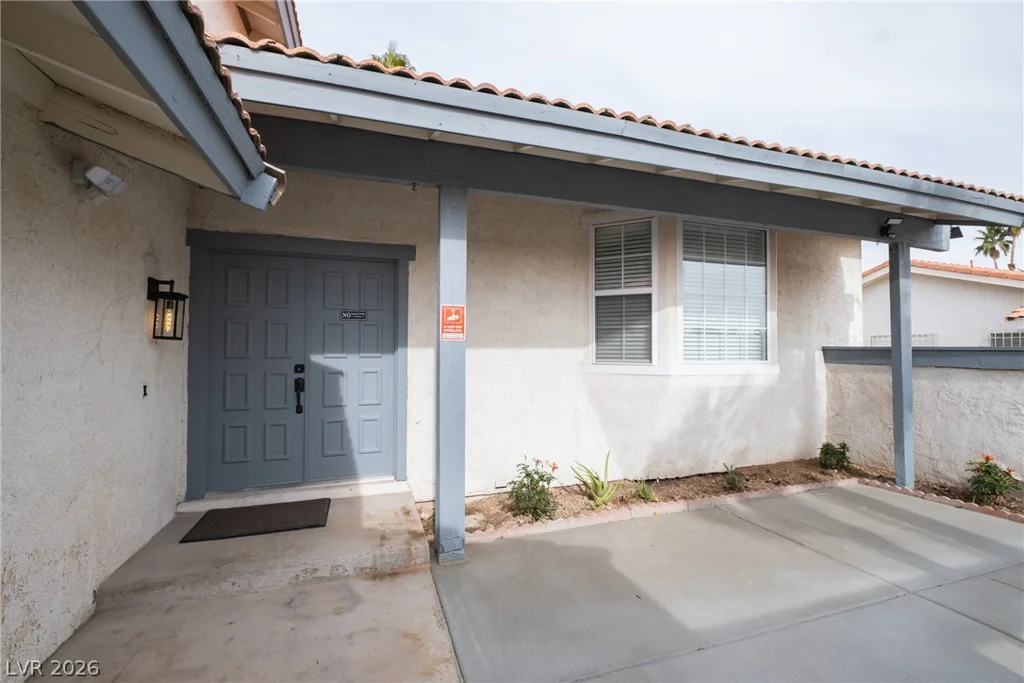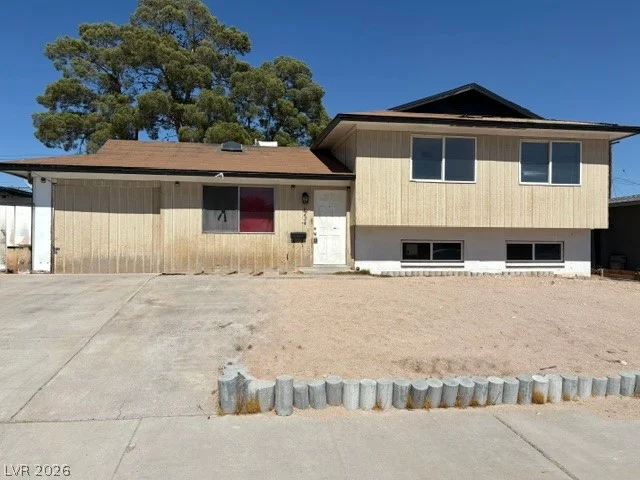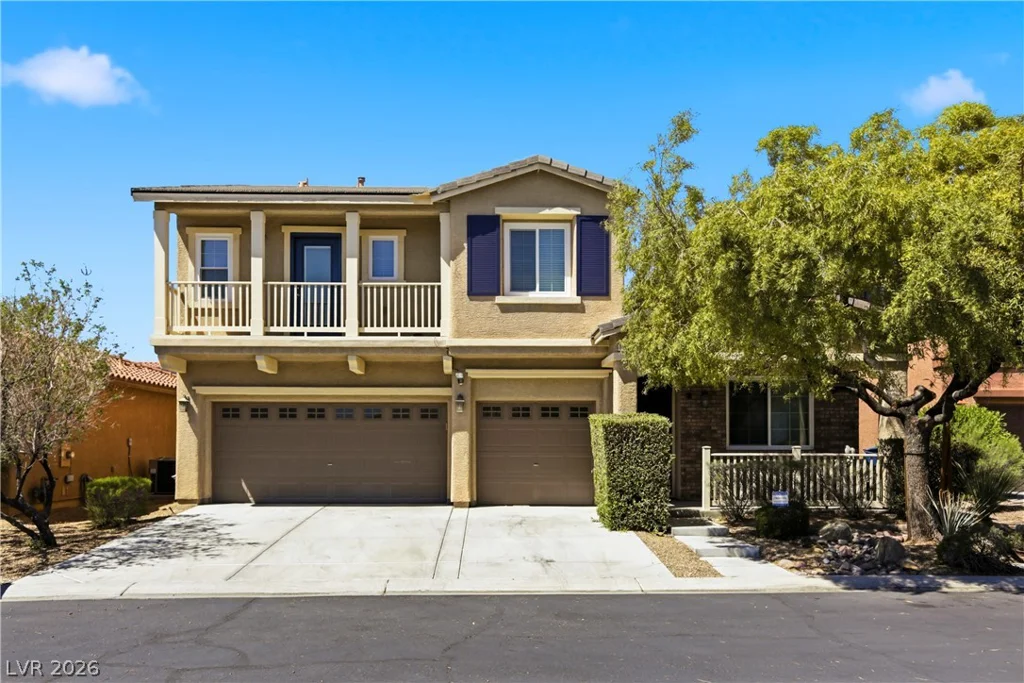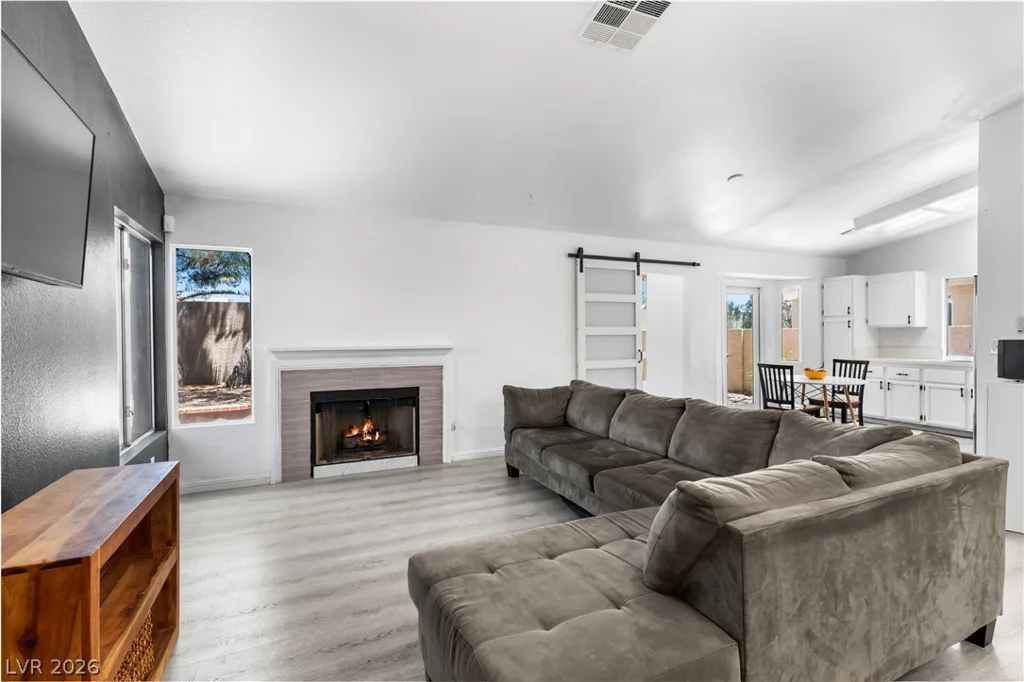
Why Investment Properties Matter in Las Vegas
No state income tax, a steady stream of relocating workers tied to the resort and logistics industries, and a rental market that spans everything from Strip-adjacent condos to single-family homes near Nellis Air Force Base — these fundamentals keep Las Vegas on the radar for out-of-state and local investors alike. The valley’s sheer size means an investor’s strategy can vary dramatically by submarket: a long-term-rental single-family home in a quiet southeast neighborhood behaves very differently than a mid-term furnished rental near the Las Vegas Convention Center catering to traveling professionals. For investors building or expanding a portfolio, Las Vegas offers a rare combination of relatively accessible price points (compared to coastal markets) and population growth that continues to support rental demand.
What to Inspect Before You Make an Offer
- Pull the HOA’s rental policy in writing — many Las Vegas communities have minimum lease terms (commonly 6-12 months) or outright bans on short-term rentals.
- Run a realistic operating budget including Nevada property taxes, insurance (which has risen notably in recent years), HOA dues, and a vacancy allowance rather than assuming 100% occupancy.
- Get a thorough inspection focused on big-ticket items — HVAC age is critical in a climate where air conditioning runs most of the year and failures during summer can mean emergency replacement costs.
- Research the City of Las Vegas, Clark County, or Henderson short-term rental ordinances if that’s part of the strategy, since rules and permit caps have changed significantly in recent years and vary by jurisdiction.
- Verify the neighborhood’s tenant pool realistically — proximity to job centers, schools, and transit affects both rent levels and tenant turnover.
The Most Common Buyer Mistake in Las Vegas
Investors run rent comps from listing aggregator sites that show optimistic asking rents, then are surprised when actual achieved rents come in lower once vacancy time and concessions are factored in. Because Las Vegas is so large, rent levels can vary significantly between neighborhoods that look similar on a map — a home a few miles from a strong rental pocket near the southwest can rent for noticeably less if it’s in a zone with more competing inventory or HOA restrictions that limit the tenant pool. Always verify rent assumptions against actual signed leases for comparable properties, not just listed asking rents.
Resale Perspective & Market Reality
Investment-grade properties in Las Vegas — particularly single-family homes in HOA communities with rental-friendly policies — tend to attract a specific buyer pool of investors and house-hackers, which can mean faster sales when priced based on realistic cap rates rather than emotional comps. However, properties with deferred maintenance from long-term tenant occupancy (worn flooring, neglected landscaping, outdated systems) often need to be priced to account for the rehab buyers will need to do before either occupying or re-renting the home.
Local Cost Context
Nevada’s property tax rates remain comparatively low relative to many other states, which helps investment math, but insurance costs in the Las Vegas area have increased meaningfully in recent years and should be quoted directly rather than estimated from old policies. For HOA communities, architectural review boards generally don’t get involved in rental activity itself, but they can enforce exterior maintenance standards strictly — an absentee owner who lets landscaping or paint deteriorate can face HOA fines that eat into rental income, so factor a property management or maintenance budget into the investment plan from day one.
Frequently Asked Questions
Does Clark County require a business license for long-term rental properties?
Requirements vary by jurisdiction within the valley (Clark County, City of Las Vegas, Henderson, North Las Vegas), and rules have evolved over recent years particularly around short-term rentals — investors should confirm current licensing and permit requirements with the specific local jurisdiction before closing, as this affects both legality and operating costs.
Are HOA rental caps based on a percentage of total units or per-owner limits?
It depends on the association — some Las Vegas HOAs cap the total percentage of units that can be rented at any time (and may have a waitlist for new rental approvals), while others restrict based on minimum lease length without a cap on total rental units. Always request the current rental policy and ask whether the community is at, near, or under any rental cap before assuming a rental strategy is viable.
Investors focused on outdoor entertaining draw can pair this with Las Vegas Homes with Covered Patios, or consider properties with Las Vegas Homes with Courtyards for added curb appeal. For a different market entirely, see Pahrump Investment Properties.