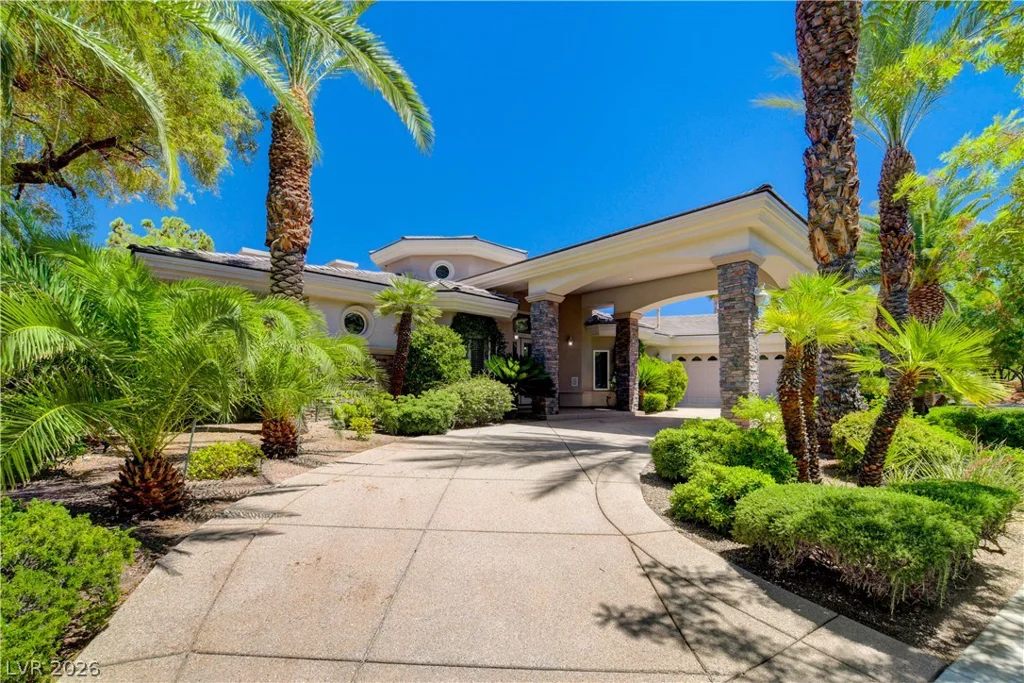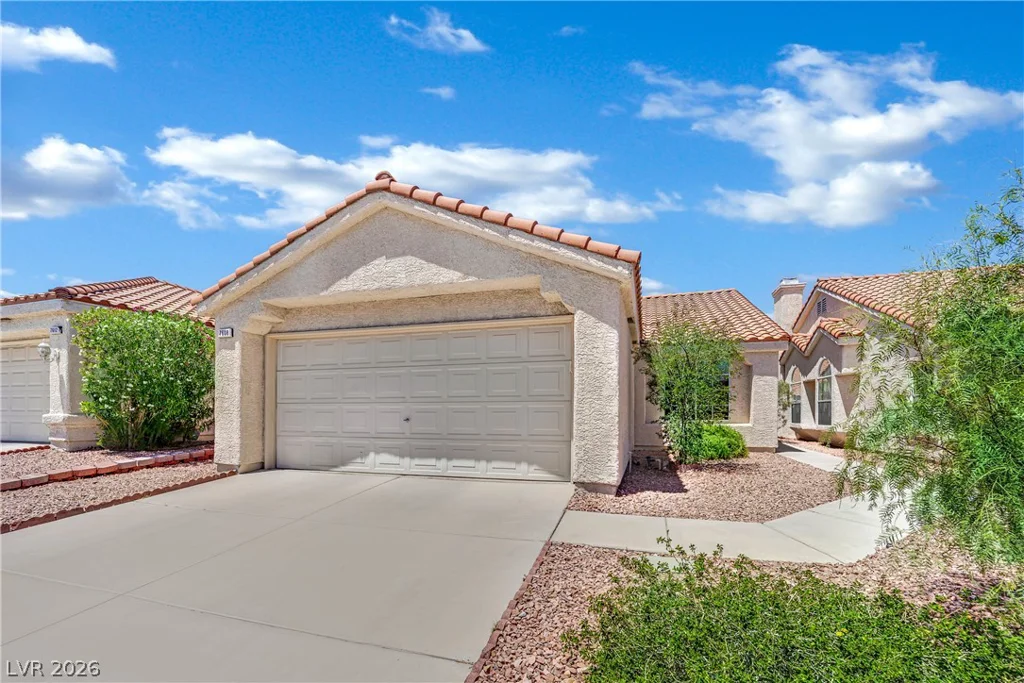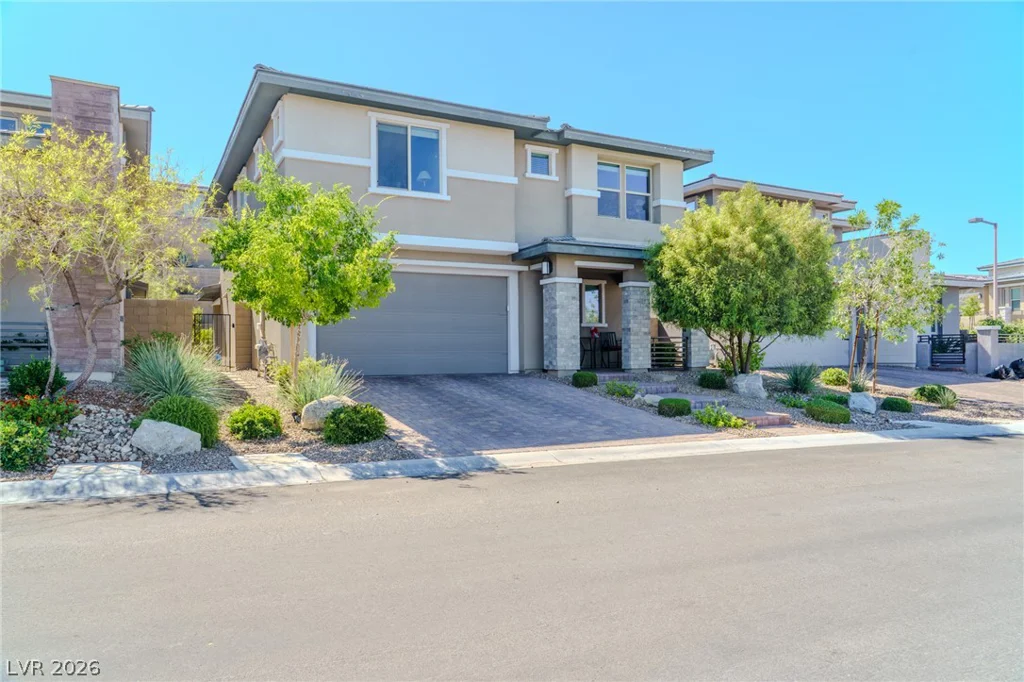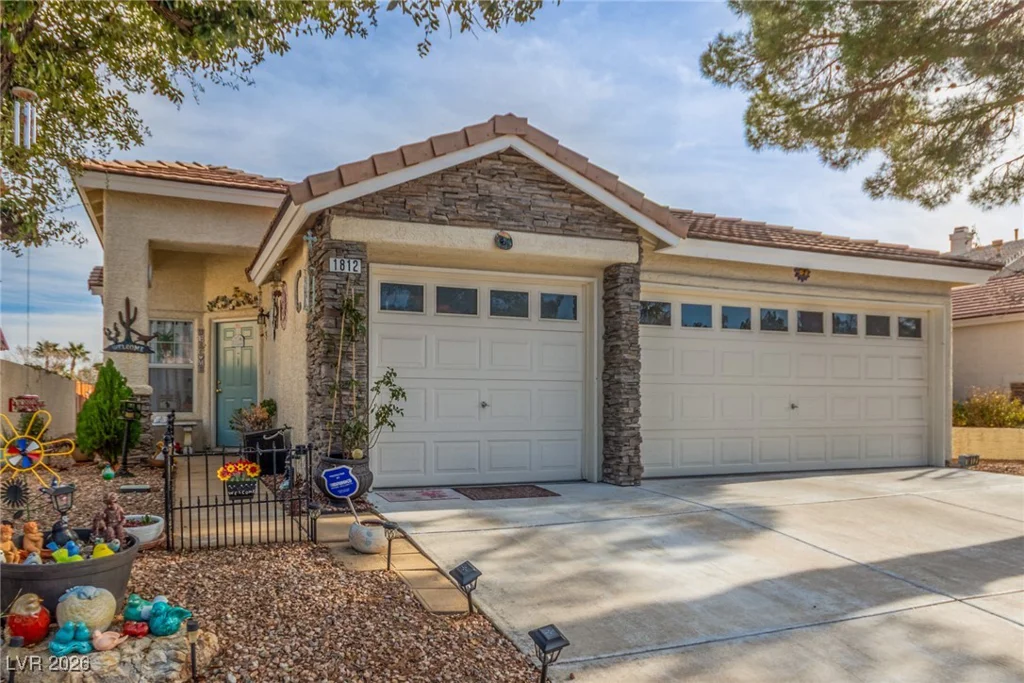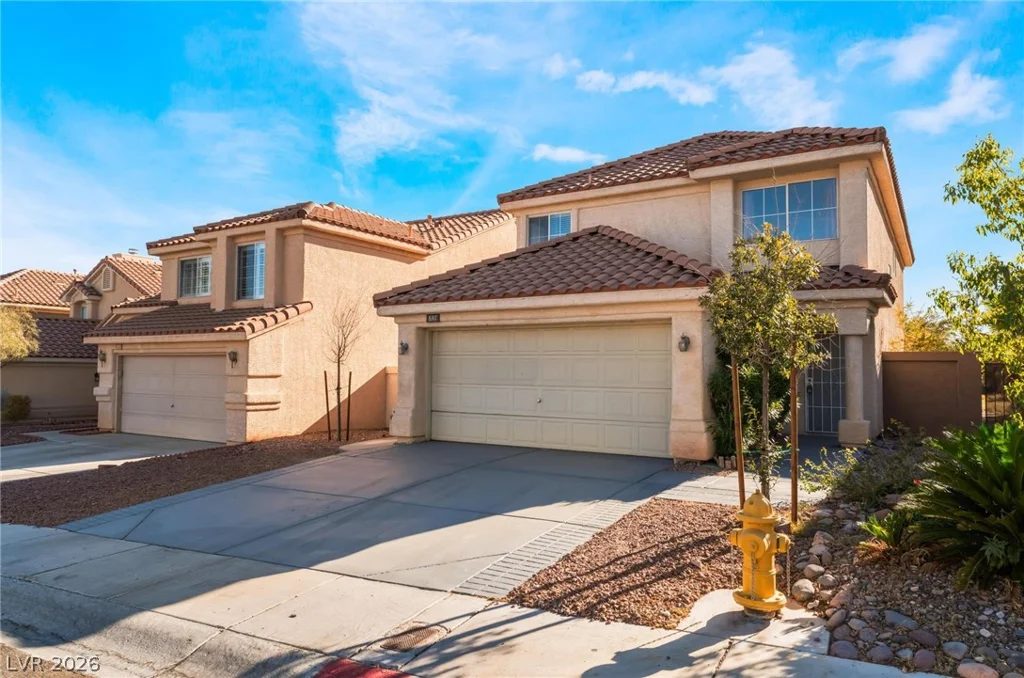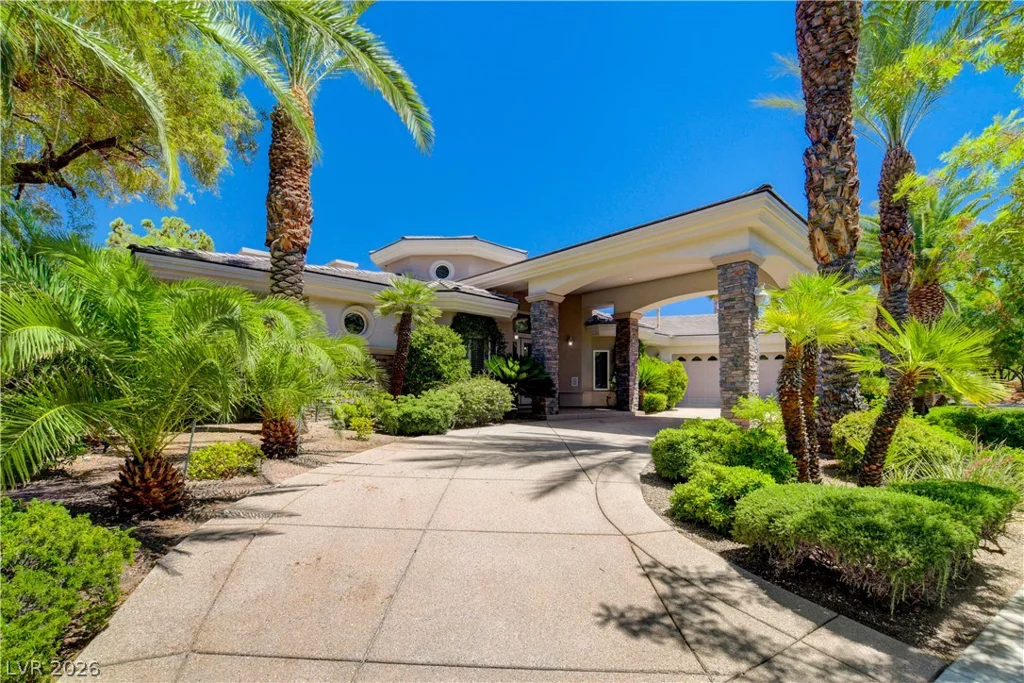
Running the numbers on a Summerlin rental works differently than in most other Las Vegas valley submarkets, mainly because of how tightly the Howard Hughes Corp master-plan covenants govern what an owner can actually do with a leased property. Before getting attached to a listing’s cap rate on paper, investors need to understand the rental restrictions baked into each village’s HOA documents — they vary enough between villages that a strategy that works in one part of Summerlin can be a non-starter two miles away.
Why Investment Property Considerations Matter in Summerlin
Summerlin’s appeal to renters mirrors its appeal to owner-occupants: walkability to Downtown Summerlin and Tivoli Village, access to the trail network connecting dozens of parks, and proximity to TPC Summerlin and Red Rock Country Club for golf-oriented tenants. That demand supports relatively strong rents, but many village HOAs impose minimum lease terms, caps on the percentage of rentals allowed within a community, or outright restrictions on short-term rentals — which matters given how many investors are drawn to Summerlin specifically because of its tourism-adjacent appeal near Red Rock Canyon. An investor targeting older inventory near Hills Center versus a newer unit in Redpoint or Stonebridge may face entirely different rental rule sets, even though both are technically “Summerlin.”
What to Inspect Before You Make an Offer
- Request the specific village HOA’s CC&Rs and rental policy in writing — don’t rely on a listing agent’s general statement that “rentals are allowed,” since minimum lease terms and rental caps vary by sub-association.
- Confirm whether the village has reached its rental cap, since some HOAs maintain waitlists for new rental registrations even when rentals are technically permitted.
- Get a contractor’s estimate for any deferred maintenance items, particularly on older properties near Hills Center where original mechanical systems may be approaching end of life.
- Pull comparable rental data for the specific village rather than a Summerlin-wide average, since rents can vary meaningfully between golf-course-adjacent properties and more interior village locations.
- Verify property tax assumptions carefully — Nevada’s tax abatement caps mean a property’s tax bill can shift substantially after a sale if it was previously owner-occupied and the new use changes its classification.
The Most Common Buyer Mistake in Summerlin
Investors new to the area sometimes price their pro forma off short-term rental income comparable to what they’ve seen advertised for properties closer to the Strip, without confirming whether the specific Summerlin village even permits short-term rentals. Many village HOAs have tightened these rules in recent years specifically because of pressure from owner-occupant residents who didn’t want their neighborhoods turning into rotating short-term rental inventory — meaning a pro forma built on nightly rental income can collapse the moment the actual HOA rules are reviewed, often after the offer is already in.
Resale Perspective & Market Reality
Properties in villages with clear, investor-friendly rental policies and no pending special assessments tend to attract a steadier pool of investor buyers and can move efficiently, while properties in villages currently debating rental restriction changes can sit longer as investors wait for clarity before committing. Investors comparing acquisition strategies sometimes look at Summerlin golf course community homes for their rental appeal to relocating golf members, or evaluate Summerlin energy-efficient homes for lower operating costs that improve net rental yield over time.
Local Cost Context
Beyond the purchase price, investors need to budget for HOA dues that can run from modest amounts in older villages to several hundred dollars monthly in newer gated sections — a cost that directly affects net yield and is sometimes underestimated by out-of-state buyers comparing Summerlin to markets with little or no HOA presence. Any exterior improvements intended to improve rentability, such as updated landscaping or exterior paint, must clear the village’s architectural review board, which under the Howard Hughes master plan can be notably strict about color palettes and material choices — plan for review timelines when budgeting a turnover renovation. Investors looking at a broader range of price points and rental dynamics outside Summerlin sometimes also research North Las Vegas investment properties as a comparison for a different regulatory and tenant profile.
Frequently Asked Questions
Do all Summerlin villages allow short-term rentals?
No. Rental policy is set at the village or sub-association level, and many Summerlin HOAs restrict or prohibit short-term rentals (typically defined as leases under 30 days), independent of any city or county short-term rental licensing requirements that may also apply.
How does Nevada’s property tax abatement affect a Summerlin investment property after purchase?
Nevada caps annual increases in the taxable value used to calculate property tax, but the abatement percentage can differ between owner-occupied and non-owner-occupied properties. When a Summerlin home transitions from owner-occupied to a rental, the tax bill can increase at the next assessment cycle — investors should confirm the current abatement status with the Clark County Assessor before finalizing rental income projections.