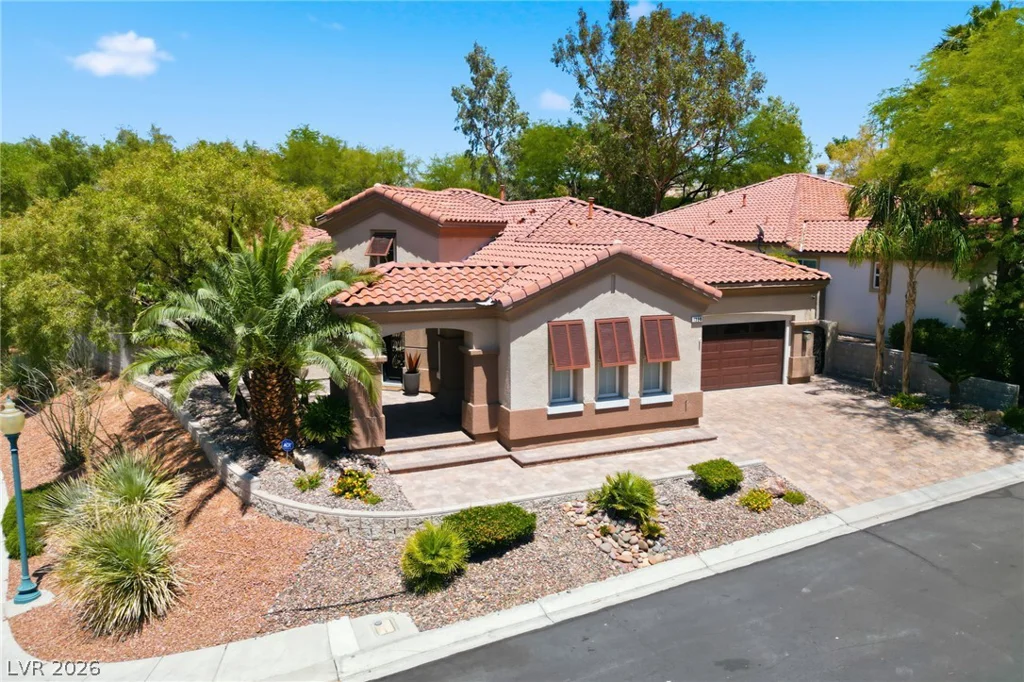
Why Courtyards Matter in Seven Hills
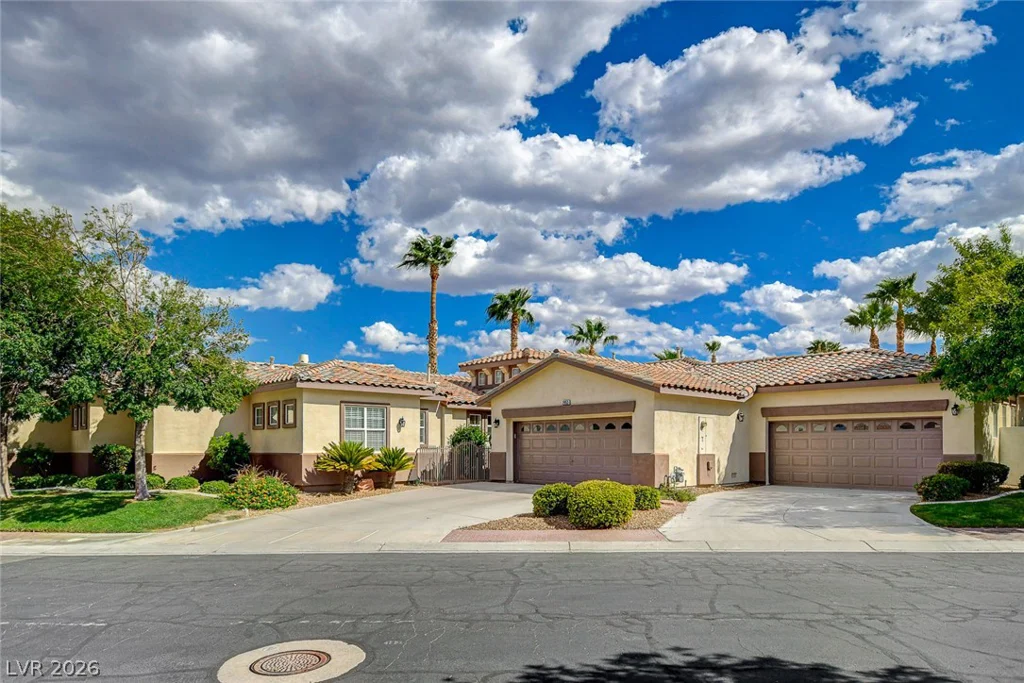
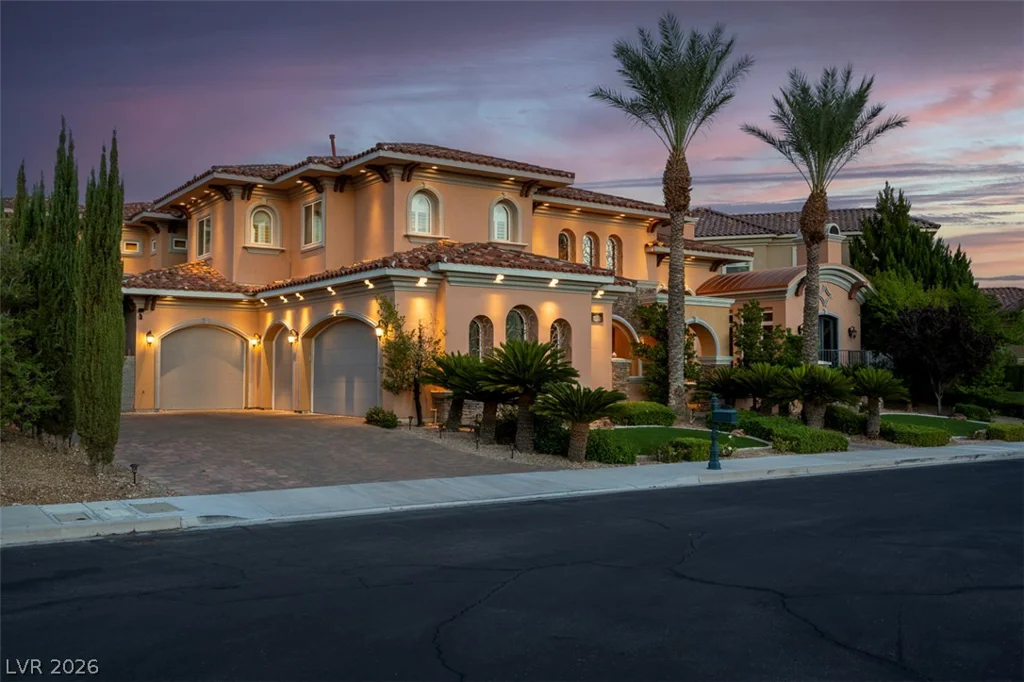
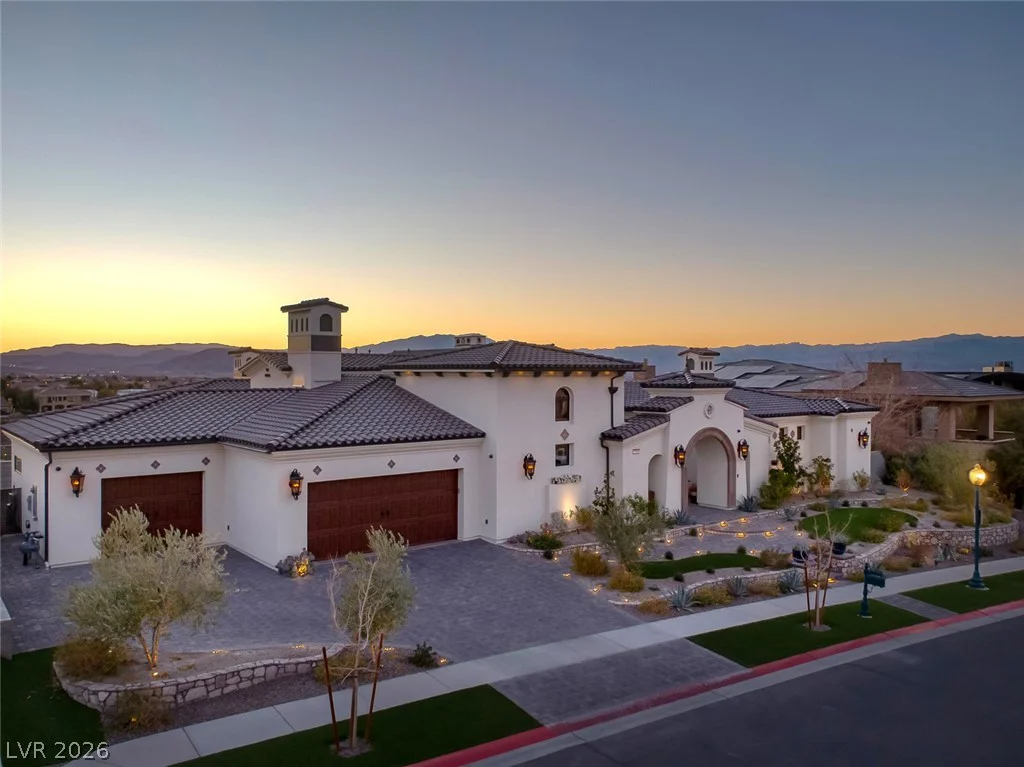
A front courtyard does something in Seven Hills that it rarely needs to do in flatter neighborhoods: it creates a buffer between the street-facing facade and a home’s entry on lots where the driveway and front elevation sit at a noticeably different grade than the sidewalk. Among the 5 Seven Hills listings currently featuring a courtyard, many use this transitional space to soften the visual impact of retaining walls or stepped entries that are common on graded lots near Seven Hills Drive. For move-up families touring this market, a courtyard often becomes the first impression of the home’s overall design quality — a well-landscaped, shaded courtyard signals attention to detail that frequently carries through to the rest of the property, while a neglected one can raise early doubts even before a buyer steps inside.
What to Inspect Before You Make an Offer
- Check courtyard drainage carefully, since these spaces often sit at the base of a graded slope and can collect runoff if drainage wasn’t designed correctly during original construction
- Inspect any retaining walls forming the courtyard’s boundaries for cracking or leaning, which can develop over two-plus decades on hillside lots
- Evaluate paver or hardscape condition for settling, a common issue where courtyards sit on fill soil from the original grading process
- Look at how the courtyard connects to the home’s entry and interior sightlines — some courtyards are purely decorative while others function as a true outdoor room
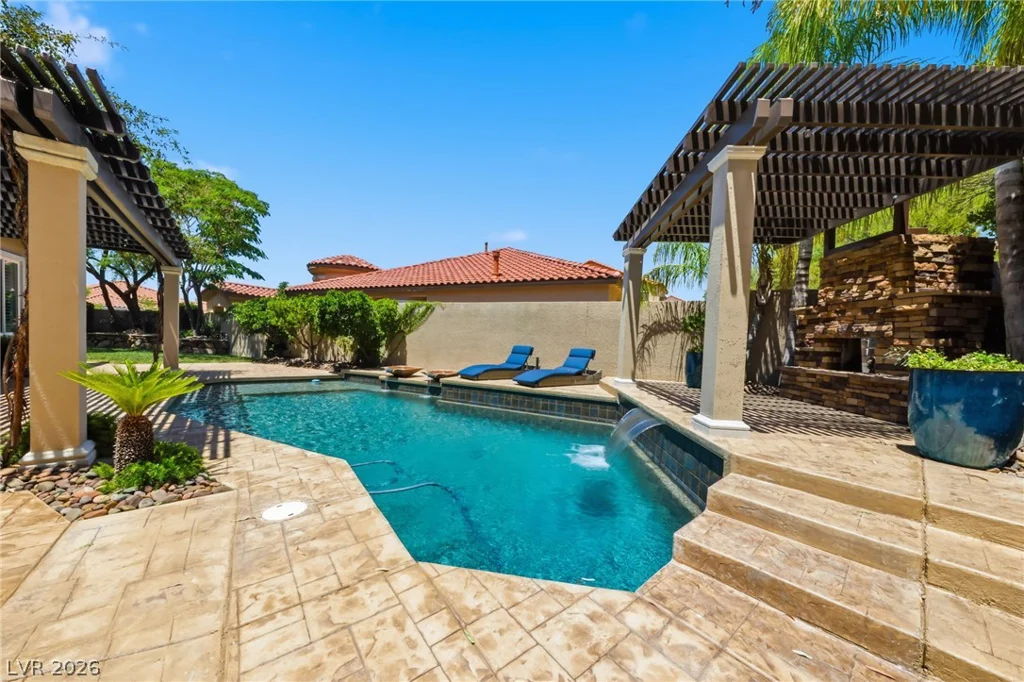
- Confirm landscaping and any water features in the courtyard comply with current HOA standards, since front-facing exterior spaces are subject to architectural review
The Most Common Buyer Mistake in Seven Hills
Buyers frequently treat a front courtyard as purely cosmetic and skip a careful inspection of it, focusing their attention on backyard features instead. But because many Seven Hills courtyards sit at the transition point between the street grade and the home’s foundation level, drainage problems in this area can directly affect the home’s structure over time. A courtyard that looks attractive but slopes the wrong direction, or one where pavers have settled unevenly, can be an early sign of soil movement that’s worth investigating further before assuming it’s just a landscaping issue.
Resale Perspective & Market Reality
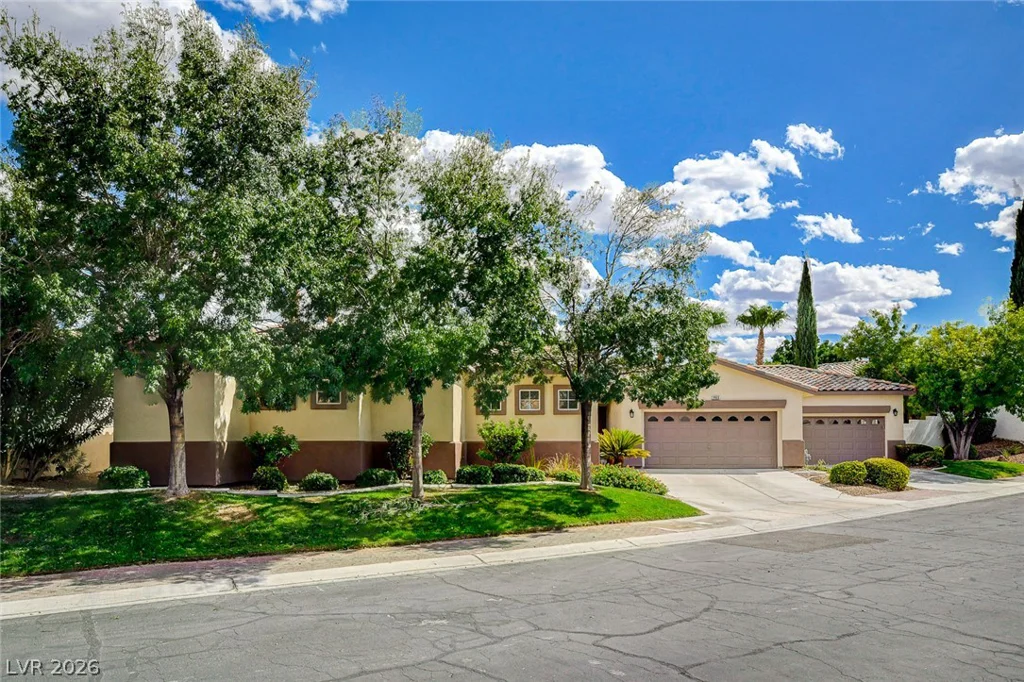
A courtyard that functions as genuine outdoor space — with seating, shade, and a clear connection to the home’s interior — can meaningfully shorten days on market in Seven Hills, particularly for buyers comparing homes with Seven Hills Homes with 3-Car Garages where the courtyard provides a softer counterpoint to a more utilitarian garage-dominated facade. Conversely, a courtyard that’s essentially unused gravel or struggling landscaping can make a home feel less maintained overall, even if the interior is updated, which buyers often factor into their offers more than sellers expect.
Local Cost Context
Renovating a courtyard in Seven Hills — new pavers, landscaping, or water features — is generally comparable in cost to similar work elsewhere in Henderson, but because front courtyards are part of the street-facing presentation that the HOA actively manages for consistency, any significant redesign visible from the street typically requires architectural committee review, particularly for changes involving walls, gates, or structures taller than existing landscaping.
Frequently Asked Questions
Why do so many Seven Hills homes have front courtyards rather than direct street-to-door entries?
The graded, terraced nature of many Seven Hills lots means the home’s entry often sits above or below street level, and a courtyard provides a practical transitional space that absorbs the elevation change while creating a more inviting entry sequence than a steep walkway alone.
Do courtyard drainage issues on hillside lots typically originate from the lot itself or from the home’s gutters?
It can be either, but on graded Seven Hills lots, courtyard drainage problems often originate from runoff coming down the slope behind or beside the home rather than from the home’s own roof drainage, which is why understanding the original grading plan matters during inspection.